Do you want to convey a process, work instruction, or product explanation quickly and flawlessly? With an instructional animation, you make complex information visual, logical, and immediately understandable. This works for onboarding, safety instructions, software training, installation, maintenance, and customer instructions.
Animation Agency develops custom instructional animations where clarity comes first. With over 10 years of experience working for tech, SaaS, and industrial organizations, among others, we translate complex steps into a clear storyline, appropriate visuals, and premium animation quality. This ensures your target audience not only sees the explanation but also understands what needs to be done.


An instructional animation is particularly valuable when explanations become too technical, too long, or too abstract in text, slides, or a standard manual. Consider machine safety, assembly, service procedures, software workflows, onboarding new employees, or explaining correct product usage to customers. This certainly applies to a safety instruction animation. Specifically for UI/UX flows, onboarding, and feature explanations, software tutorial animations particularly well.
For many organizations, the problem lies not in the content, but in the transfer. The knowledge is present, but it is not conveyed quickly or consistently enough. A good instructional animation provides sequence, context, and focus. You show step by step what someone needs to do, why it is important, and where the risks or points of attention lie.
This is especially relevant when your target audience consists of varying levels of knowledge, multiple departments, or international teams. Visual explanations help reduce differences in interpretation and often make instructions more accessible than text alone. This results in time savings and clarity, particularly for recurring processes.
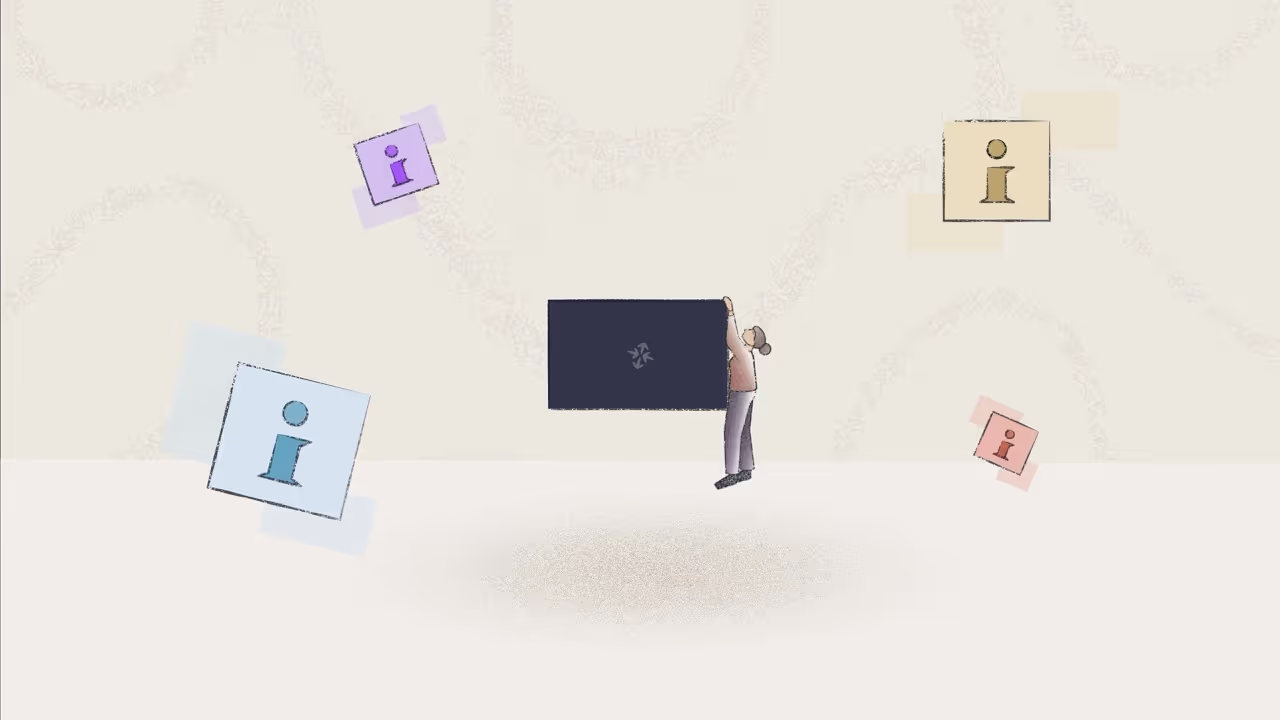
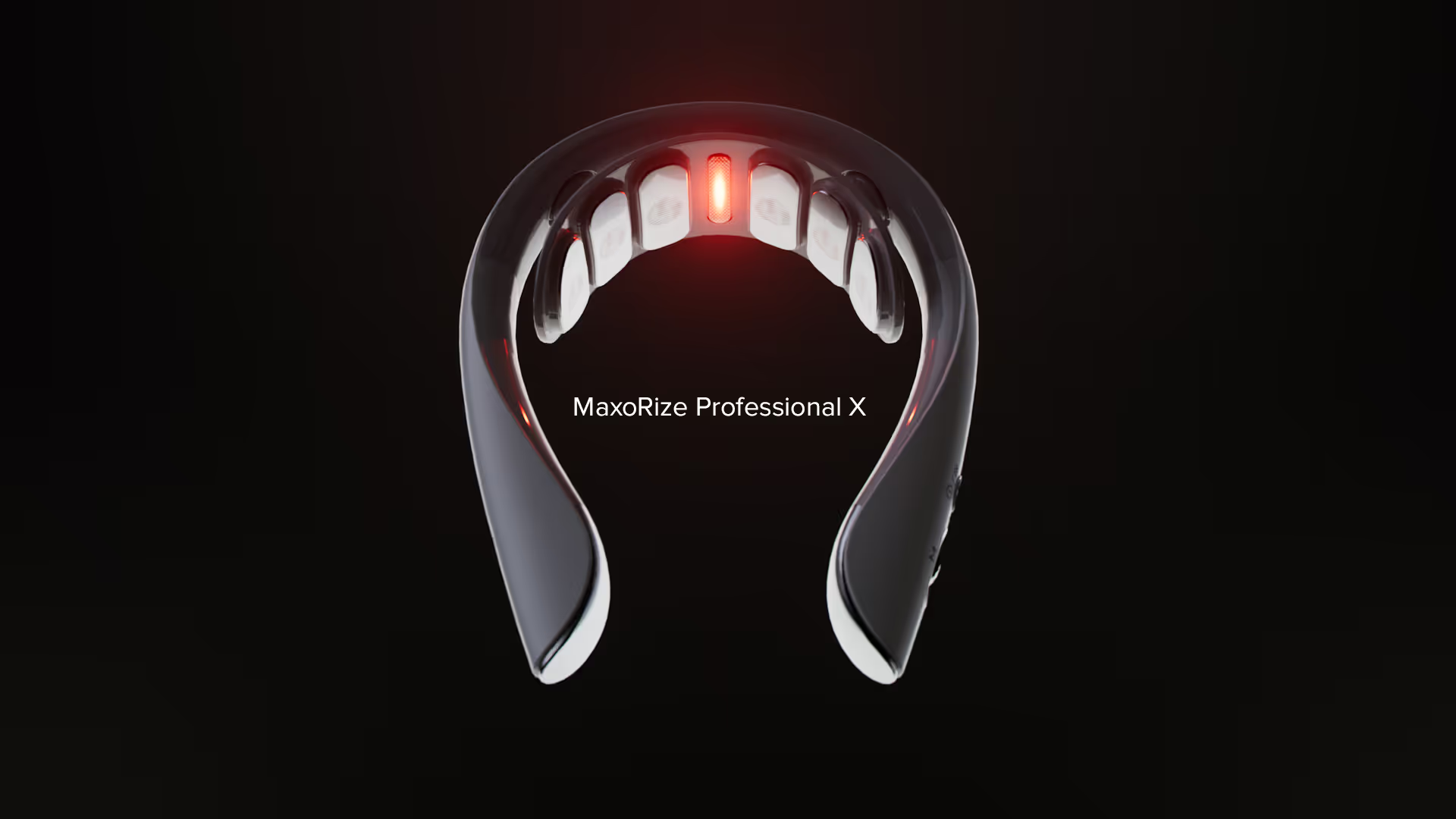
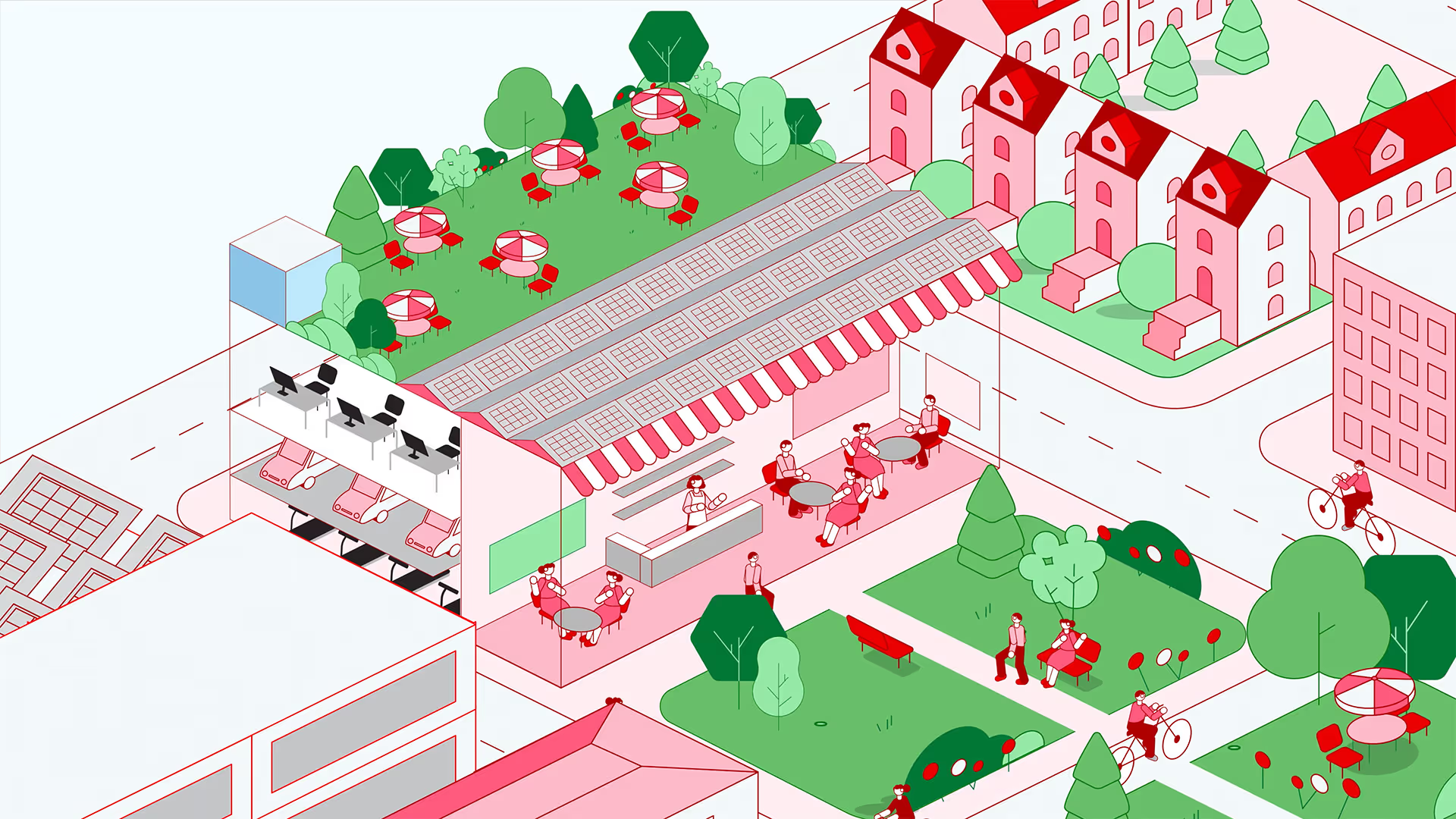
A selection of the animations we created for our clients. From short explainer videos to technical 3D animation: every project starts with the question of what the viewer needs to understand.
The major advantage of animation is control. You determine exactly what someone sees, in what order, and at what level of detail. This allows you to reduce a complex workflow to a clear visual route, without the distractions of a busy practice environment or unnecessarily long verbal explanations.
Animation is also powerful when processes are difficult to film. You can visualize internal technology, software logic, data flows, or safety steps that are less clear or even impossible to capture with live action. Especially for a technical instructional animation about products and industrial processes, this makes a big difference in comprehensibility.
Furthermore, an explainer animation has a wide range of applications. The same production can be used in e-learning, presentations, intranets, service environments, support, and sales. This makes instructional animation not only a creative tool, but above all a strategic communication tool. Therefore, we do not start with style, but with the question of what your target audience needs to know, remember, and do after watching.
The most suitable form depends on your goal, target audience, content, and channel. Sometimes a compact 2D animation is most effective, while other times the content calls for technical 3D work or a combination of both. We advise on this based on clarity and impact, not on a standard format.
A 2D instructional animation is ideal for procedures that need to be explained clearly, accessibly, and efficiently. This style works well for onboarding, internal training, compliance instructions, customer explanations, and software demos. By cleverly combining icons, motion graphics, characters, and interface elements, a clear explanation is created that aligns with your corporate identity and objectives.
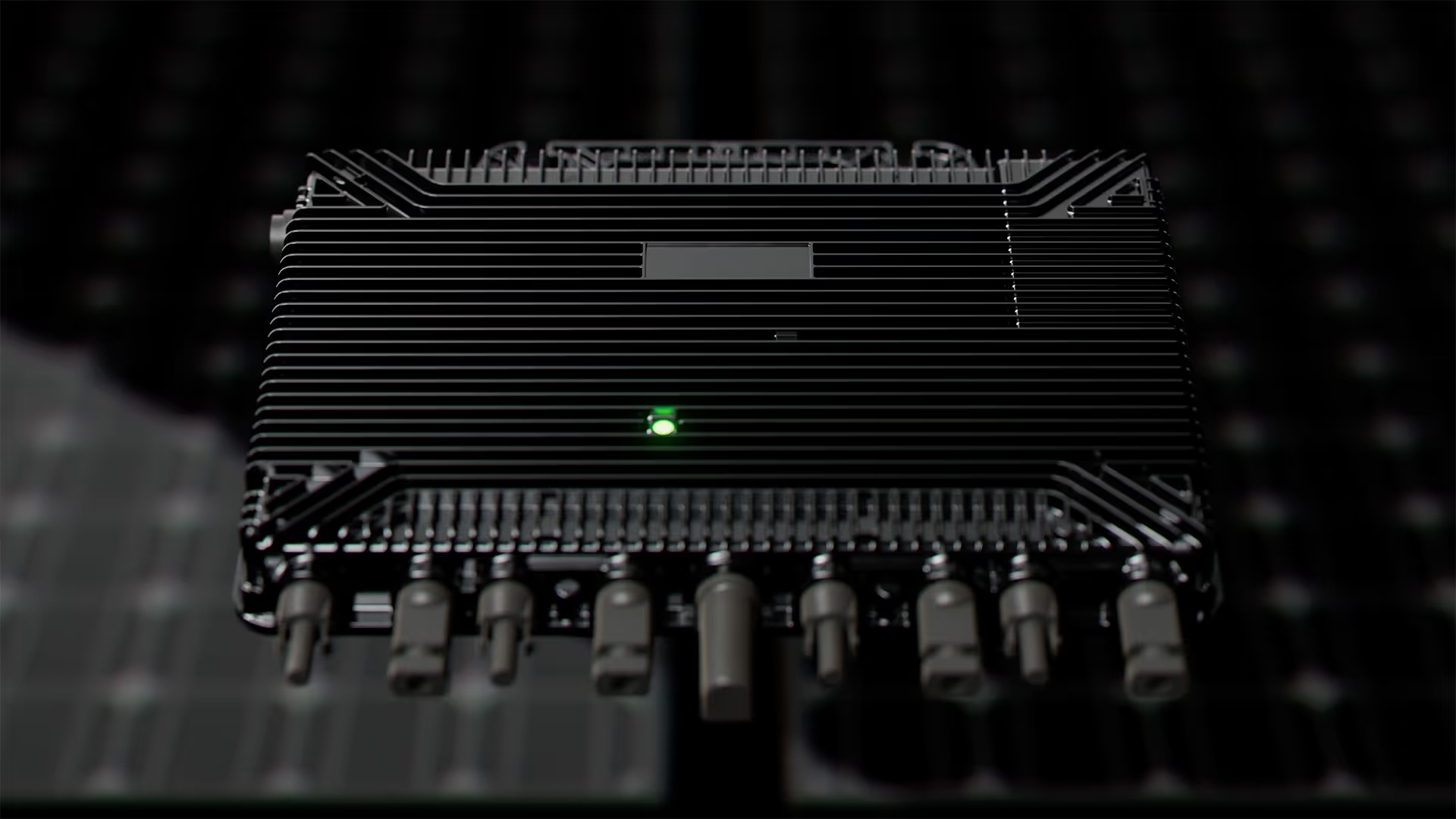
When form, construction, or internal workings are important, 3D can be the best choice. With a 3D instructional animation, for example, you can show the assembly of a machine, the operation of a component, or an installation process in detail. This is particularly valuable for technical and industrial organizations that want to combine accuracy with clear communication.
We start with the core of your instruction. Which target audience needs to learn or perform something? Which steps are essential? Where does confusion arise? Based on this, we distill the content into a logical storyline. Next, we write the script and translate it into a storyboard, so that it is clear in advance how the instruction will be visually structured. Need more guidance during the preparation? Read: Briefing and script for your instructional animation.
After approval of the script and storyboard, we develop the style and build the animation. Visuals, timing, voice-over, music, and sound must combine to form one clear instruction. During the process, there is room for feedback so that both the content and execution align well with your organization, corporate identity, and technical reality.
The result is a custom animation that can be used the moment your target audience needs the explanation: in e-learning, presentations, onboarding processes, on the intranet, in service environments, or on your website.
Good interaction to arrive at a great script and a widely viewed animation. Excellent

Always proactive, deliver on time, and always quality. Would 100% recommend!

They did a fantastic job! They are quick to respond, understand what you want, and deliver beautiful work

Animation Agency knows how to transform complex challenges into understandable and, above all, spectacular animations. Where other animation agencies gave up, they managed to do just that little bit extra

Professional and driven team! Open to creativity and quick to act

Based on a concise briefing, they created various beautiful animations. They also contributed valuable ideas to integrate them perfectly into the website, exactly as we wanted. Highly recommended!

Animation Agency is a great partner to have in your network. They think along with our wishes and communication lines are short, making them a pleasure to work with

With enormous passion for the craft and animation as an area of expertise, Animation Agency creates really cool videos! Skilled, reliable, and motivated. That works!

Fast and professional! A proactive and skilled team with quick (good) results!

The service is excellent! They are very proactive and always think in terms of possibilities

We set up a really cool production together with Animation Agency . It was easy to communicate with and the process was smooth. Definitely worth repeating!

Good work done by Animation Agency"

Trusted by 800+ organizations



The costs depend primarily on the length of the animation, the complexity of the content, and the chosen production level. A short 2D instruction on a simple process requires a different approach than a technical 3D animation with multiple scenes, levels of detail, and versions for different target audiences.
Components such as script development, storyboard, voice-over, multilingual versions, subtitling, and additional revision rounds also impact the investment. Therefore, an instructional animation is not just a matter of purchasing minutes. You are investing in a communication tool that can reduce errors, accelerate understanding, and is reusable for the long term in training, support, and customer communication. Would you like quick insight into the budget and package options? Request a price list.
That depends on the content and the moment at which someone views the explanation. For a compact product or process explanation, a short product instruction animation often most effective. If it concerns a more extensive work instruction or training, a longer build-up makes sense. More important than the exact duration is that every scene is functional and contributes directly to understanding.
The turnaround time depends on complexity, style, and feedback speed. A compact 2D animation can be developed relatively quickly, while a technical 3D project requires more coordination and elaboration. In the planning, we clarify in advance which steps are necessary and when your input or approval is required.
We usually start with a briefing, existing documentation, and the key content input. This includes process descriptions, product specifications, screenshots, technical drawings, branding elements, and any safety or training guidelines. The clearer the source information, the more efficiently we can translate the instructions into visuals.
Yes, an instructional animation can be adapted for different languages and markets. This can be done with voice-over, subtitles, or both. Especially for international teams, technical support, and European rollouts, this is often a practical and scalable solution.
No, instructional animations work both internally and externally. Internally, they are widely used for onboarding, safety, processes, and training. Externally, they are strong for product explanations, installation instructions, service content, and after-sales. In both cases, the same principle applies: complex information must quickly become clear to the viewer.
Would you like to have an instructional animation created for a technical process, software flow, or training? We are happy to brainstorm with you regarding the script, style, and the smartest approach to clearly present your information. Also, take a look at our examples and best practices for instructional animations.

That depends on the content and the moment at which someone views the explanation. For a compact product or process explanation, a short product instruction animation often most effective. If it concerns a more extensive work instruction or training, a longer build-up makes sense. More important than the exact duration is that every scene is functional and contributes directly to understanding.
The turnaround time depends on complexity, style, and feedback speed. A compact 2D animation can be developed relatively quickly, while a technical 3D project requires more coordination and elaboration. In the planning, we clarify in advance which steps are necessary and when your input or approval is required.
We usually start with a briefing, existing documentation, and the key content input. This includes process descriptions, product specifications, screenshots, technical drawings, branding elements, and any safety or training guidelines. The clearer the source information, the more efficiently we can translate the instructions into visuals.
Yes, an instructional animation can be adapted for different languages and markets. This can be done with voice-over, subtitles, or both. Especially for international teams, technical support, and European rollouts, this is often a practical and scalable solution.
No, instructional animations work both internally and externally. Internally, they are widely used for onboarding, safety, processes, and training. Externally, they are strong for product explanations, installation instructions, service content, and after-sales. In both cases, the same principle applies: complex information must quickly become clear to the viewer.
Would you like to have an instructional animation created for a technical process, software flow, or training? We are happy to brainstorm with you regarding the script, style, and the smartest approach to clearly present your information. Also, take a look at our examples and best practices for instructional animations.