Do you want to clearly explain a product, process, or working method without lengthy manuals or complicated training? With a 2D instructional animation, you can show exactly what someone needs to know, do, or remember in a short time. Animation Agency creates custom 2D instructional animations for companies and organizations that want to convey complex information in an understandable, visually strong, and directly applicable way.
Whether it concerns product instruction animation, safety instruction animation, onboarding, work instructions, or educational explanations: a good 2D instruction animation combines a clear structure, strong visuals, and a logical build-up. This makes information not only easier to understand but also easier to remember and more widely applicable on websites, intranets, e-learning, and social channels.


A 2D instructional animation is ideal if you want to explain something step by step. Think of a machine that needs to be used safely, software with a fixed workflow, or a service where the user first needs to understand how it works. Instead of a lot of text or separate visuals, you bring everything together into one clear story.
Animation works particularly well for subjects that are technical, abstract, or procedural. You can magnify elements, simplify situations, and show exactly what is relevant — for example, in a technical instructional animation. As a result, 2D animation often a smart choice for organizations in technology, healthcare, education, manufacturing, and business services.
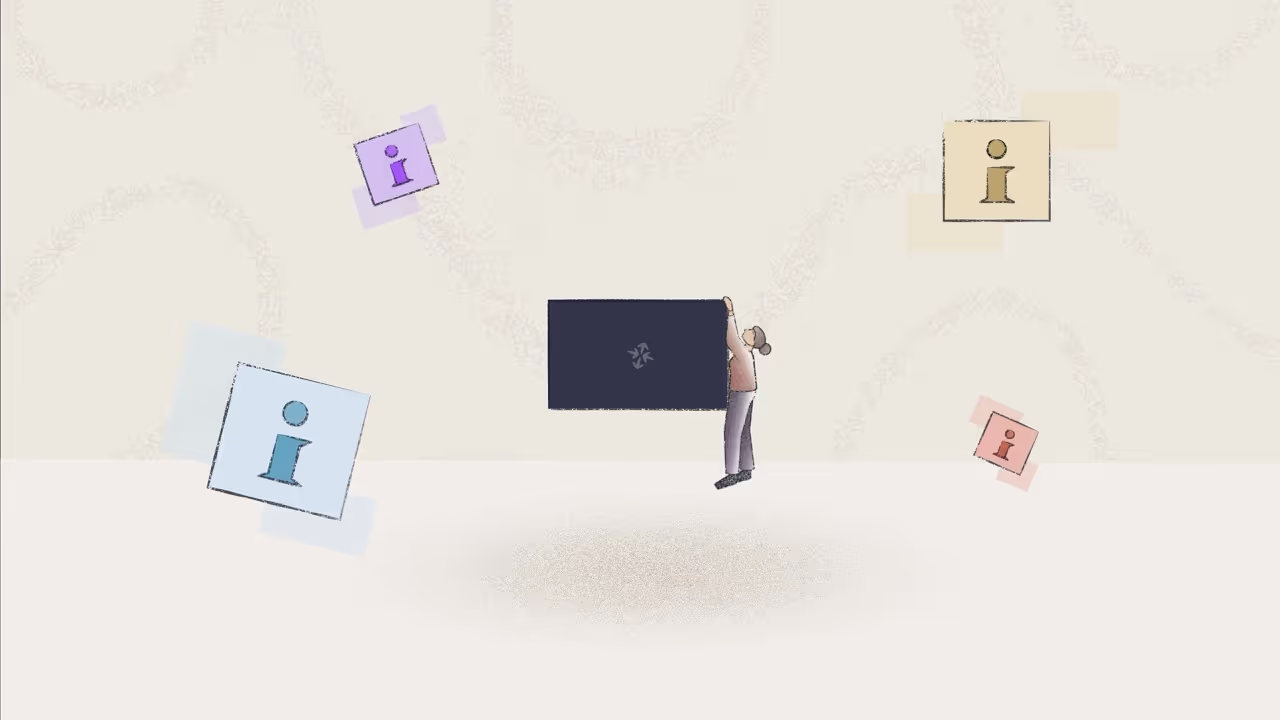
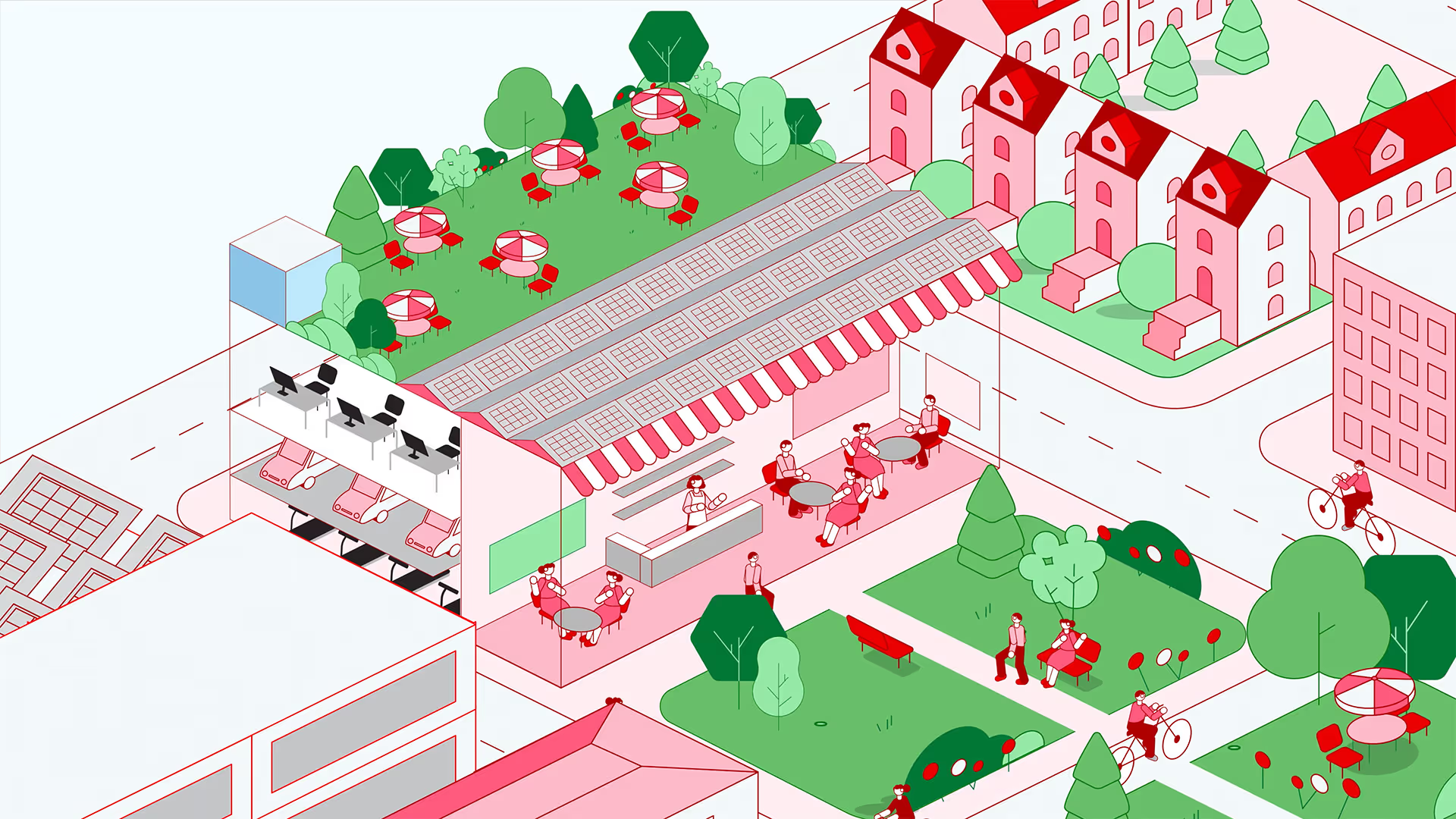
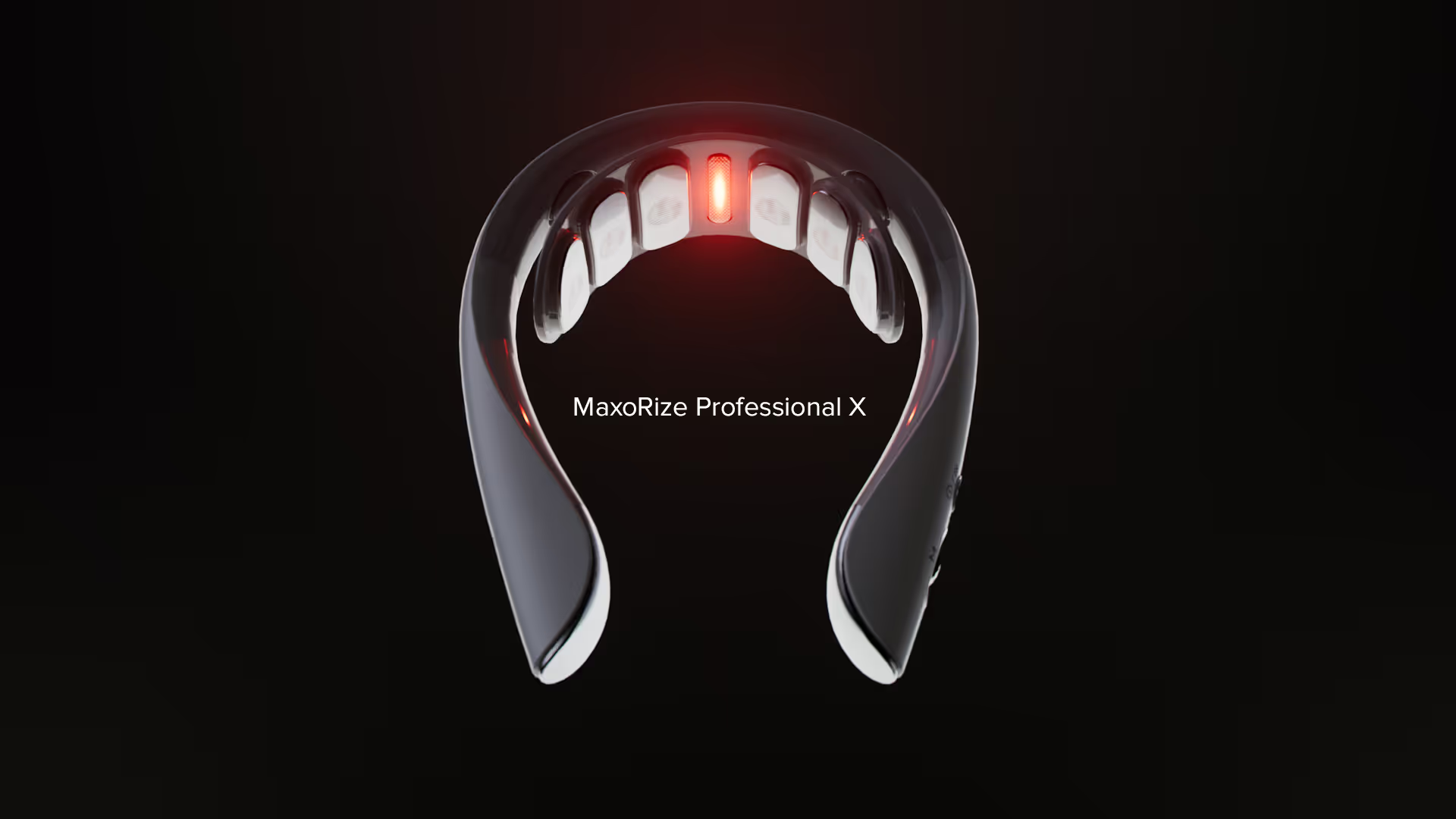
A selection of the animations we created for our clients. From short explainer videos to technical 3D animation: every project starts with the question of what the viewer needs to understand.
Having a 2D instructional animation created offers a wide range of applications. The format is flexible enough to make both practical actions and abstract procedures understandable. You can literally show what someone needs to do, but also clarify why a step is important or what goes wrong if a procedure is not followed.
Show users how a product works, how to install it, or how to use it safely. This reduces the risk of errors and often lowers the pressure on support and customer service.
Clarity is crucial for safety training. With animation, you can clearly explain risks, prohibited actions, emergency procedures, and personal protective equipment without relying on complex on-location filming.
During onboarding or process explanations, animation helps to consistently convey internal working methods. Think of quality procedures, logistical steps, compliance guidelines, or operational workflows.
In education and training, animation works well to visualize abstract or new material. This makes learning more accessible, especially when information is presented in phases.
Not every message calls for the same format. A 2D instructional animation is particularly suitable when clarity is paramount. You want the viewer to know how something works, which steps are required, or the correct course of action afterward. In that case, it is less about spectacle and more about comprehensibility, structure, and ease of use.
This makes this type of animation suitable for a wide range of applications:
Are you working on UX, SaaS, or process explanations? Then a software tutorial animation ideal.
Do you need to convey information quickly, consistently, and scalably? Then 2D is often more effective than a static PDF or traditional manual.
A strong instructional animation is more than a series of moving images. The content must be didactically sound. This means that the message is logically structured, that the viewer is not overloaded with information, and that every scene contributes to understanding. Therefore, a good animation does not start with design, but with the question: what should the viewer know, feel, or do afterward?
These elements play a major role in an effective 2D instructional animation:
Precisely because instructional content must be functional, customization is important. An animation for operators requires a different tone and structure than an animation for end users or students.
A good end result starts with a tight process. Especially with instructional content, every element must be right: content, sequence, visual choices, audio, and delivery. That is why Animation Agency works with a clear production approach in which strategy, script, design, and animation align.
We start with the core: who needs to see the animation, what should viewers learn, and where will the video be used? In doing so, we also consider the target audience, context, desired tone of voice, and any constraints such as deadlines, languages, or platforms.
Next, we translate the content into a clear script. This is especially important when having an instructional animation made, because the order of information directly influences comprehension. We determine which information is essential, which steps are shown, and how to keep the message concise without losing important nuance. Do you want to sharpen your preparation? Read our briefing and script for instructional animation.
Before the animation actually starts moving, we visually develop the script. In the storyboard, you see scene by scene how the instruction is structured. We also coordinate the style: sleek, technical, friendly, corporate, or accessible and educational.
Once content and style are agreed upon, we bring everything to life. Movement, timing, transitions, and rhythm ensure the information is easy to follow. Voice-over, music, and sound effects support the explanation without distracting from the message.
Feedback moments are built into the process. This allows you to maintain control over content and results. Upon delivery, we provide the animation in the desired resolutions and formats, for example for websites, presentations, intranets, e-learning, or social media, such as 1:1 and 9:16.
Good interaction to arrive at a great script and a widely viewed animation. Excellent

Always proactive, deliver on time, and always quality. Would 100% recommend!

They did a fantastic job! They are quick to respond, understand what you want, and deliver beautiful work

Animation Agency knows how to transform complex challenges into understandable and, above all, spectacular animations. Where other animation agencies gave up, they managed to do just that little bit extra

Professional and driven team! Open to creativity and quick to act

Based on a concise briefing, they created various beautiful animations. They also contributed valuable ideas to integrate them perfectly into the website, exactly as we wanted. Highly recommended!

Animation Agency is a great partner to have in your network. They think along with our wishes and communication lines are short, making them a pleasure to work with

With enormous passion for the craft and animation as an area of expertise, Animation Agency creates really cool videos! Skilled, reliable, and motivated. That works!

Fast and professional! A proactive and skilled team with quick (good) results!

The service is excellent! They are very proactive and always think in terms of possibilities

We set up a really cool production together with Animation Agency . It was easy to communicate with and the process was smooth. Definitely worth repeating!

Good work done by Animation Agency"

Trusted by 800+ organizations



Animation Agency creates custom 2D instructional animations for organizations that want to clearly convey complex information. This involves not just beautiful visuals, but a smooth process from script development to sound design and delivery. Personal guidance plays an important role in this, ensuring that content, style, and schedule align well.
Our approach is suitable for companies and organizations that want to use instructional content for product explanation, safety communication, onboarding, and educational applications. We collaborate on structure, visualization, target audience, and distribution, ensuring the animation not only looks good but also truly functions in practice.
For instructional content, 2D is often the most practical choice. The style is clear, fast to read, and well-suited for simplifying processes. You don't need to display everything photorealistically to be clear. In many cases, a simplified visual style actually helps to convey the core message better.
3D animation can be interesting when spatiality, technology, or product detail is central, for example with a complex machine, technical cross-section, or product visualization. However, if the goal is primarily explanation and comprehensibility, 2D usually offers more speed and efficiency.
| Choice | Goes well with | Advantage |
|---|---|---|
| 2D instruction animation | Process explanation, onboarding, safety, software, e-learning | Clear, flexible and efficient |
| 3D animation | Technical products, spatial situations, complex product details | More depth and realism |
| Hybrid approach | When explanation and technical visualization come together | Combination of clarity and detail |
An instructional animation should not only look good, but above all, it should work. Therefore, it is wise to be clear in advance about the content, occasion of use, and objective. The clearer the briefing, the better the animation aligns with real-world practice.
Having a good 2D instructional animation made therefore means not only producing, but also structuring it smartly. That is precisely where content and creation come together.
The lead time depends on the length, complexity, and amount of coordination. A compact 2D instructional animation with a clear briefing can be produced relatively quickly. When multiple target audiences, languages, technical content, or additional variants are required, the lead time increases.
In practice, these factors play the biggest role:
Do you have a fixed deadline, for example for training, a launch, or an internal rollout? Then it is smart to include this directly in the intake, so that the planning and scope are aligned accordingly.
The cost of a 2D instructional animation depends on the desired end result. There is no standard price that applies to every project, as the content, style, and scope can vary significantly. A short, simple explainer video requires a different approach than a series of safety instructions or a multilingual training animation.
Important price factors include:
Do you primarily want to know what is the smartest approach in your situation? Then a targeted intake is often more valuable than a generic price indication. This way, you receive a proposal that fits your goal, target audience, deadline, and distribution.

A 2D instructional animation is an explanatory animation in a two-dimensional style that shows step-by-step how something works, is used, or should be performed. Think of product instructions, safety procedures, software explanations, or internal work instructions. Because visuals, text, and audio work together intelligently, information is understood faster and remembered better.
An instructional animation is essentially a specific form of an explainer video. While a general explainer video often primarily explains what a product, service, or concept is, an instructional animation focuses more strongly on actions, steps, and application. The content is therefore more practical and directly aimed at execution.
Virtually every sector where processes, products, or rules need to be explained can benefit from this type of animation. Think of technology, healthcare, education, industry, logistics, and business services. Animation offers significant added value, especially when information is complex or must be executed flawlessly.
Yes, a 2D instructional animation is typically fully tailored to your brand identity. Colors, shapes, iconography, typography, and tone of voice can be adapted to your corporate style. As a result, the animation aligns well with your website, presentations, e-learning, or other communication materials.
Yes. Many clients have the subject matter knowledge but lack a clear script or logical storyline. In that case, we help translate complex input into a compact and understandable structure. This is especially important for instructional content, as clarity often depends on the correct sequence and phrasing.
That depends on the subject and the goal. In many cases, short and focused works best. If the viewer needs to perform a single task or understand a single process, a compact video is often more effective than a long explanation. If the content is more extensive, it can be smart to break the information down into multiple short instructional animations.
No, but a voice-over often helps to convey instructions more quickly and clearly. Audio adds significant value, especially when explaining steps or providing context. In some situations, text animations or subtitles suffice, for example, when the video is watched without sound.
The animation can be delivered in various resolutions and aspect ratios, depending on where you want to use it. Think of landscape formats for websites and presentations, square formats for social posts, and vertical versions for mobile channels. Multiple versions per target audience or platform are also possible.
Yes, that is often precisely a strong advantage of animation. Once the foundation is in place, multiple language versions, target audience variants, or channel formats can be created relatively efficiently. This is useful for international organizations or campaigns where the same instruction is used in multiple places.
A good start usually consists of a clear briefing outlining the objective, target audience, content, schedule, and desired effort. If existing documentation, such as manuals, presentations, or training materials, is also helpful. Based on this, we determine the best structure, style, and production approach together. Those who wish to first delve into examples of instructional animationscan already draw inspiration and practical insights from them.