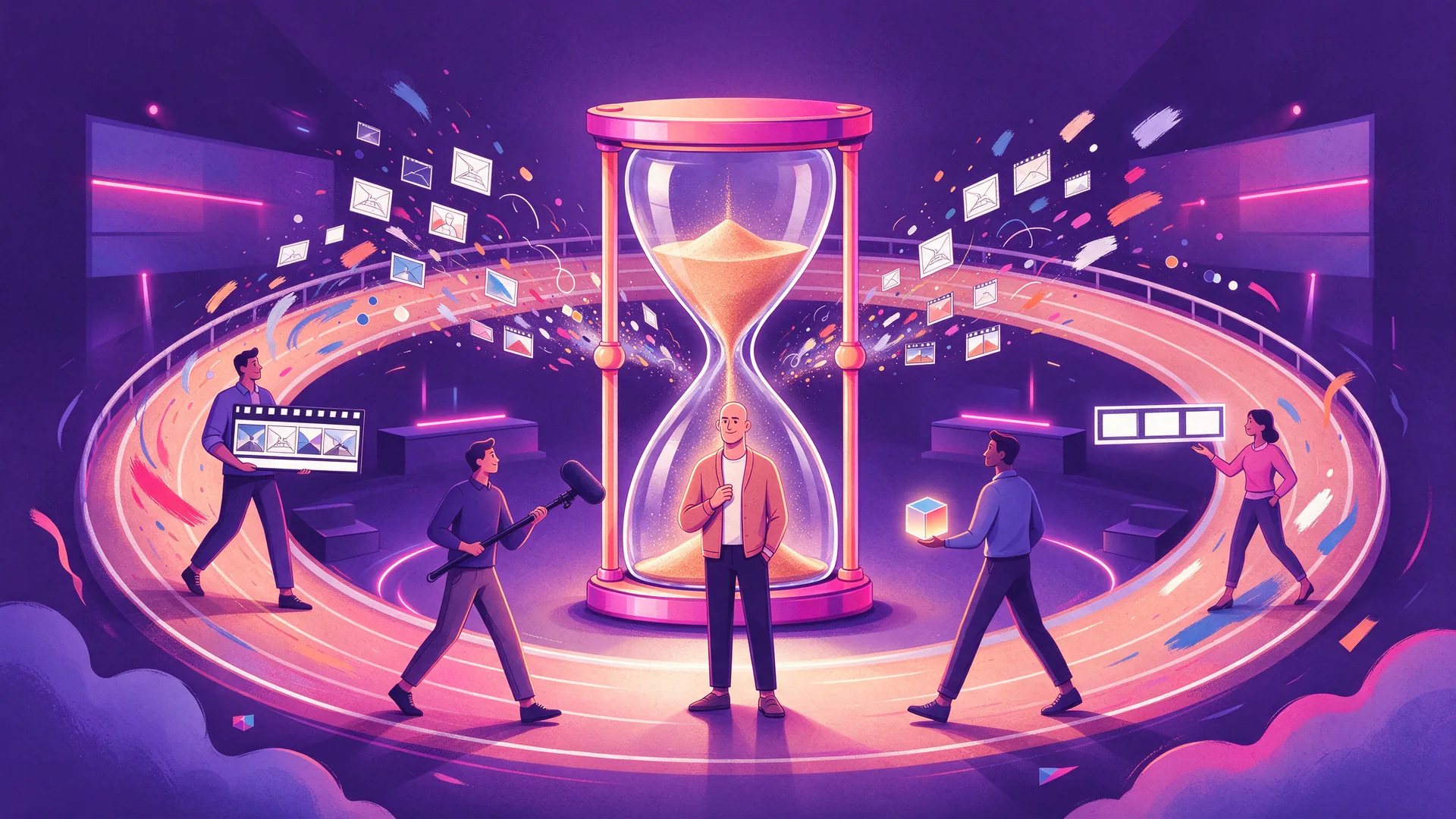
The turnaround time for an instructional animation is in many cases between 4 and 8 weeks. This is a realistic range for a custom production in which concept, script, storyboard, animatic, and animation are carefully aligned. The exact duration depends primarily on the content, complexity, and speed of coordination during the process.
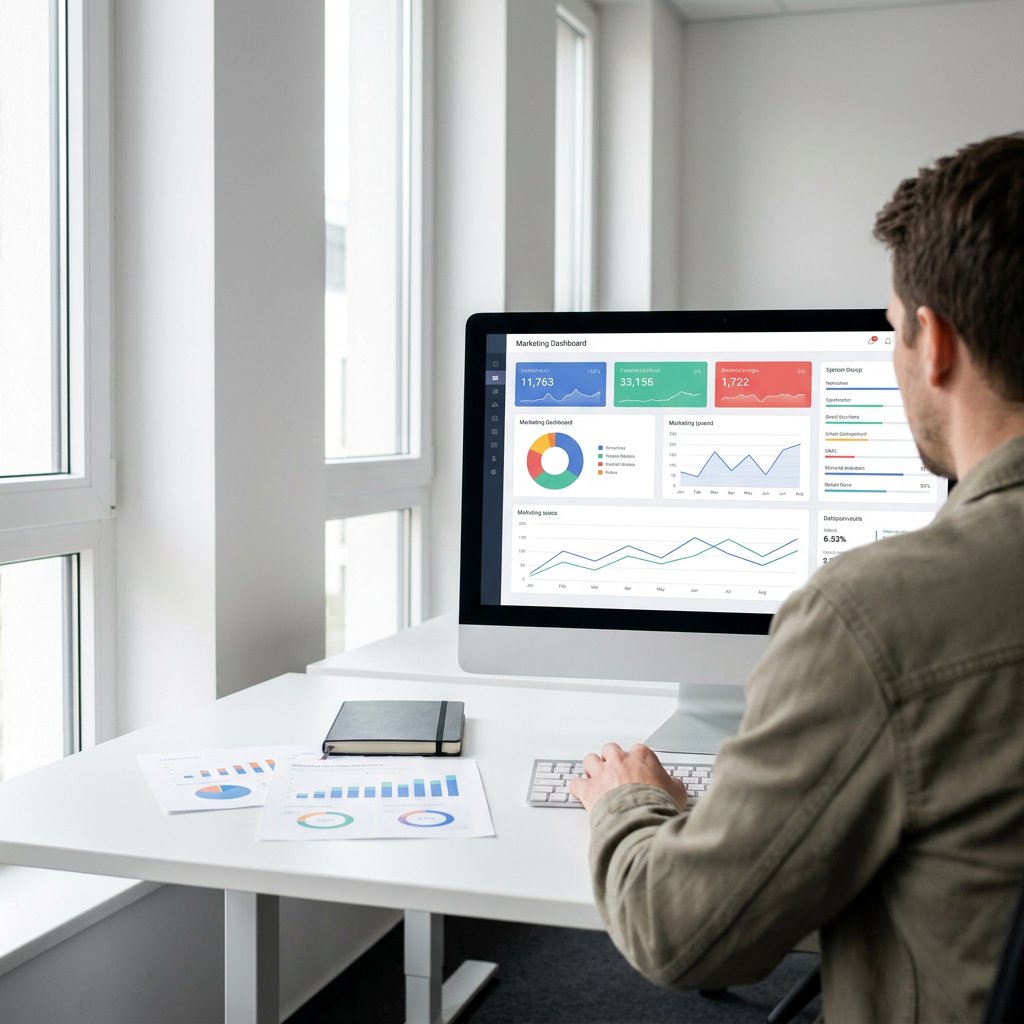
For teams that want to explain complex information clearly, planning is often just as important as the animation itself. A good estimate helps with internal alignment, planning launches, and keeping feedback rounds manageable.
For an instructional animation, 4 to 8 weeks is usually a useful guideline. Within that period, there is room to refine the content, check the visual structure, and incorporate interim feedback without sacrificing quality.
For simpler productions, the turnaround time may be shorter. With more detail, multiple stakeholders, or a complex technical subject, the schedule usually shifts. Especially with custom work, the total turnaround time depends not only on the studio's production time but also on the speed at which decisions are made and feedback is provided. Those wishing to make a broader comparison will find additional insight in *How long does animation production take? *
The total lead time is made up of multiple production steps. This structure is particularly important for instructional animations, because content clarity and visual logic must be correct from the outset.
In this phase, it is determined exactly what the animation needs to explain, who the video is intended for, and what information is absolutely necessary. For instructional content, it is often smart to make clear choices here: what does the viewer need to know, remember, or do after watching?
The script translates the content into a clear storyline and logical sequence of explanation. The more technical the subject, the more important this step becomes. Strong preparation with a clear briefing and script for instructional animation prevents unnecessary revisions later in the process.
In the storyboard, the explanation is worked out frame by frame. This is often the moment when you see whether an instruction is truly conveyed clearly. For complex processes or products, storyboards and styleframes help to align text and images effectively early on.
An animatic is a rough, moving version of the storyboard. It is used to test the pacing, sequence, and comprehensibility of the instructions before the final animation is developed. This makes this phase particularly valuable when the content needs to land perfectly.
Only after approval of the previous steps is the animation fully developed. This is where movement, timing, and visual details come together. Final corrections based on feedback may follow.
Not every instructional animation requires the same production time. These factors usually have the greatest impact on the turnaround time.
The more complex the message, process, or product, the more time is needed to structure the explanation clearly. Technical subjects, in particular, often require more alignment between the script and storyboard.
A longer animation usually means more scenes, more elaboration, and more review moments. However, length is not the only factor. A short animation with a lot of detail can take more time than a longer video with a simple structure. Unsure about the ideal duration? Read more about how long an instructional animation should be.
Custom production takes more time than a very simple, standardized approach. This also applies when close attention is required for specific products, technical visualization, or an elaborate visual style.
Experience often shows that it is not the production itself, but the coordination that determines the schedule. If multiple colleagues provide input simultaneously or feedback is only consolidated late, lead times increase rapidly. More about our working method shows how such phases are normally coordinated. Additionally, prevent delays by avoiding known pitfalls; see the common mistakes made in instructional animations.
Make complex information clear, understandable, and convincing
Delivering an instructional animation faster usually doesn't start with shortening production, but with better preparation. These choices help make the process run more efficiently:
A schedule exceeding 8 weeks is not unusual if the animation requires more than a standard explainer video. For example, when the content still needs to be developed, extensive internal coordination is required, or when a subject needs to be visually elaborated with great precision.
International tracks, multilingual versions, or additional variants may also require extra time. Not because basic production has to start over, but because each additional version requires extra checking and coordination.

For a custom animation, 4 to 8 weeks is often a realistic indication. For instructional animations, this depends primarily on the complexity of the content, the length of the video, and the speed of feedback.
That is sometimes possible, but only if the content is already clear, decision-making proceeds quickly, and the number of revisions remains limited. The fewer open questions there are at the beginning, the greater the chance of a shorter process. A practical step-by-step plan for an instructional animation clarifies where time can be saved.
Because the quality of the final animation is largely determined in the preceding phases. The script, storyboard, and animatic ensure that the explanation is correct before final production begins. This is precisely what prevents errors, misunderstandings, and wasted time later in the process. Those who wish to take the next step can read more about having an instructional animation made.

Whether it concerns an ambition, product, process, technology, or idea: we make visible what makes it special and translate it into imagery that is clear, convincing, and impossible to ignore.