Would you like to have an e-learning animation created that makes complex information quickly understandable? With a strong animation, you teach employees, students, or users something new in a clear and consistent manner. Think of onboarding animations, safety training, software explanations, work instructions, or microlearning animations. Animation Agency develops custom 2D and 3D animations that align with your learning objectives, corporate identity, and target audience, including voice-over, subtitles, and delivery for mobile and LMS.


A good e-learning animation does more than just display information. You use visuals, pacing, voice-over, and structure to make the learning material more understandable and easier to remember. Animation works particularly well for processes, abstract topics, and mandatory instructions, because you break down complex subject matter into clear steps and recognizable situations.
For many organizations, this is interesting because a single animation can be scaled for large groups. You use the same training for onboarding, internal instruction, compliance, or product knowledge, without the explanation differing per trainer. This ensures greater consistency, less noise, and a more efficient learning process.
Having an e-learning animation created is therefore particularly interesting if you:
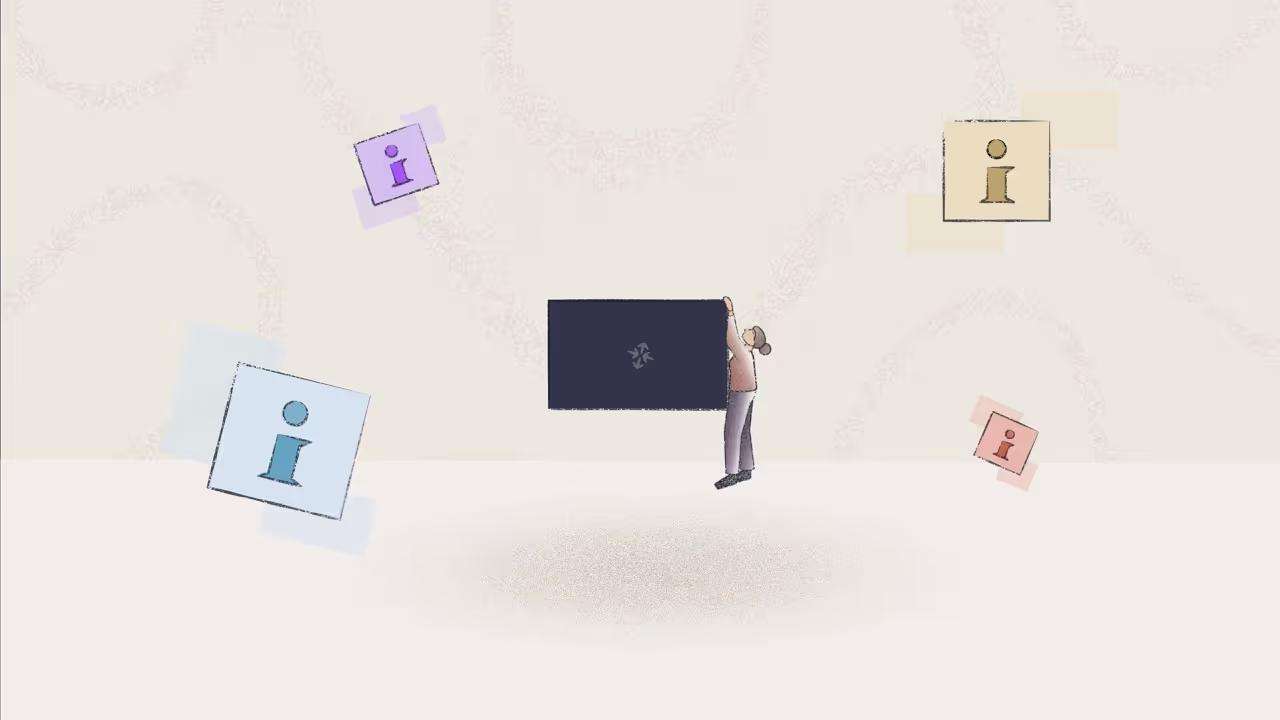
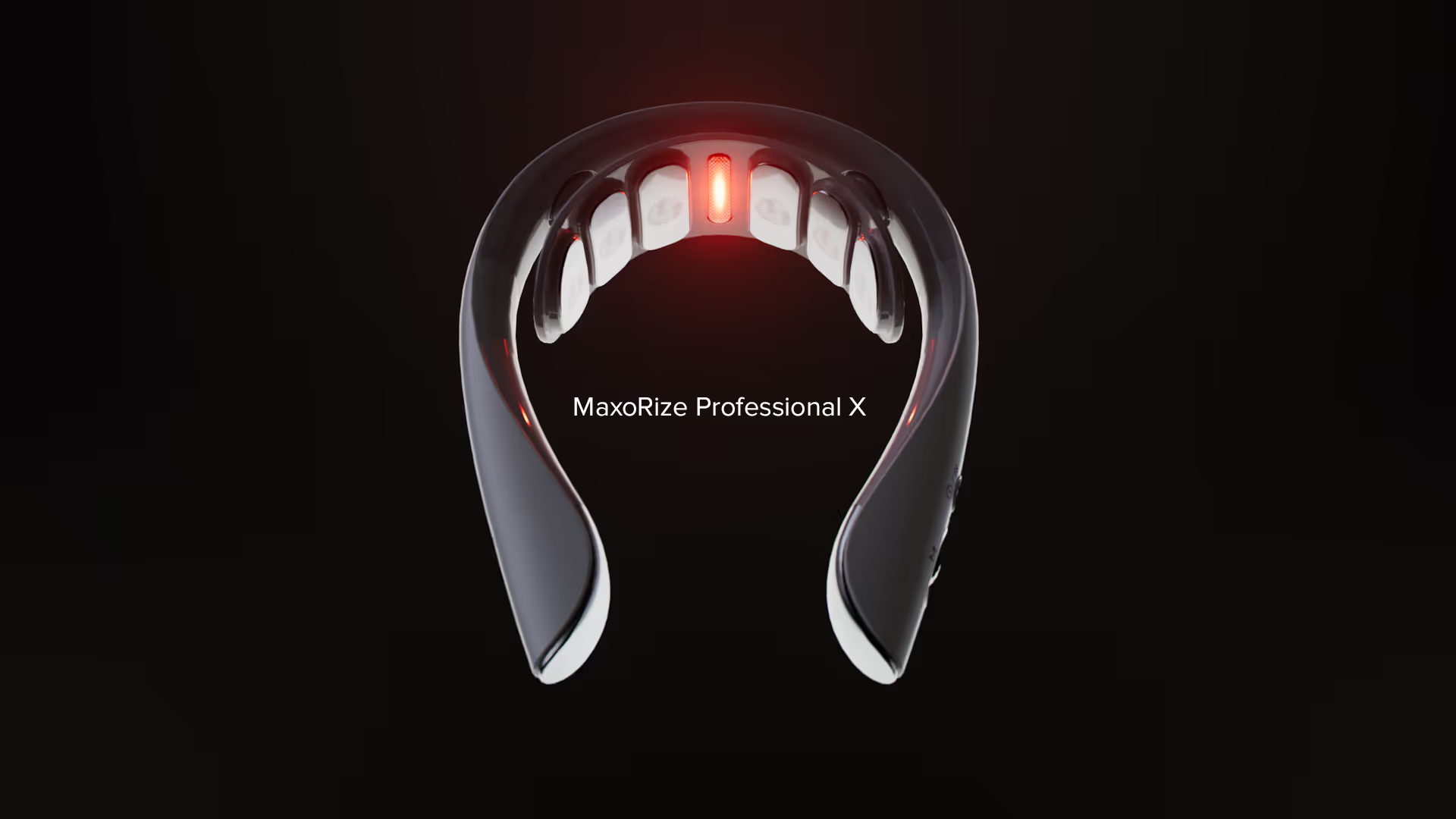
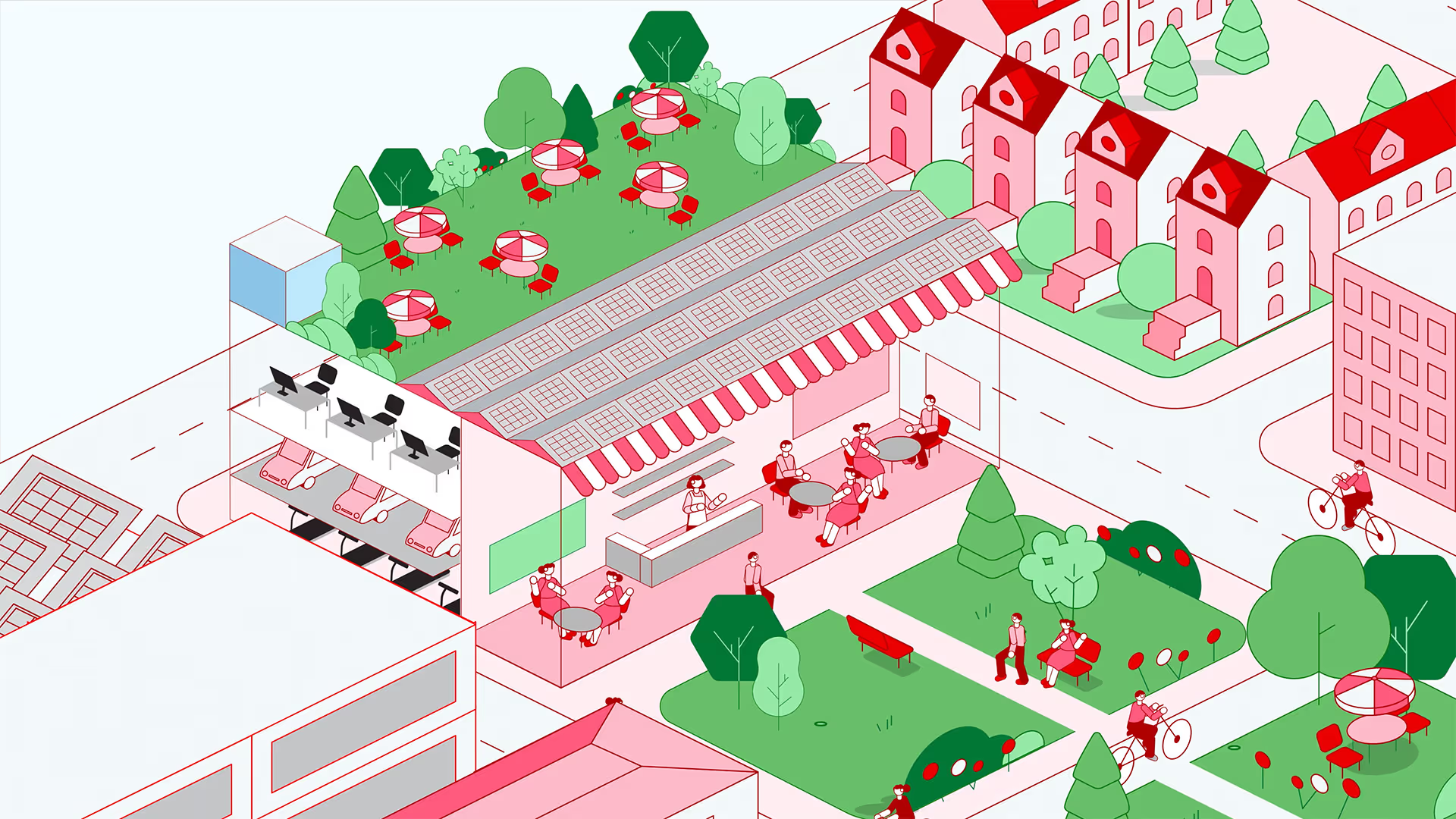
A selection of the animations we created for our clients. From short explainer videos to technical 3D animation: every project starts with the question of what the viewer needs to understand.
E-learning animations have a wide range of applications, as long as the goal is to convey something clearly, repeatably, and engagingly. In practice, you often see them in internal learning environments, onboarding processes, and digital training programs.
Animation is particularly valuable for recurring learning objectives. You invest once in a clear explanation and can then deploy it on a large scale and update it relatively easily later. View the case study: educational animations (Vekabest) for a concrete example.
When you have an e-learning animation created, you don't just want a beautiful video, but a learning solution that really works. That is why the process starts with the content. We look at your target audience, prior knowledge, learning objectives, and the context in which the animation is used. Based on this, we translate the content into a script and storyboard that builds logically, holds attention, and paces information.
Next, we develop the visual style and production. This can be in 2D, 3D, or a combination thereof, depending on the subject. Throughout the process, we take into account use on mobile, in an LMS, or as part of a broader training. We also include aspects such as voice-over, subtitling, sound design, and multilingual versions.
A typical working method consists of the following steps:
Anyone commissioning an e-learning animation chooses a format that makes content understandable, engaging, and widely applicable. Whether you are working on onboarding, process explanation, safety, or microlearning: with custom 2D or 3D animation, you translate knowledge into a format that people truly follow and remember. For training on systems and tools, a software tutorial animation be a logical addition. By taking learning objectives, target audience, LMS, mobile use, and multilingualism into account from the outset, you get a greater return on investment from every training session.
Good interaction to arrive at a great script and a widely viewed animation. Excellent

Always proactive, deliver on time, and always quality. Would 100% recommend!

They did a fantastic job! They are quick to respond, understand what you want, and deliver beautiful work

Animation Agency knows how to transform complex challenges into understandable and, above all, spectacular animations. Where other animation agencies gave up, they managed to do just that little bit extra

Professional and driven team! Open to creativity and quick to act

Based on a concise briefing, they created various beautiful animations. They also contributed valuable ideas to integrate them perfectly into the website, exactly as we wanted. Highly recommended!

Animation Agency is a great partner to have in your network. They think along with our wishes and communication lines are short, making them a pleasure to work with

With enormous passion for the craft and animation as an area of expertise, Animation Agency creates really cool videos! Skilled, reliable, and motivated. That works!

Fast and professional! A proactive and skilled team with quick (good) results!

The service is excellent! They are very proactive and always think in terms of possibilities

We set up a really cool production together with Animation Agency . It was easy to communicate with and the process was smooth. Definitely worth repeating!

Good work done by Animation Agency"

Trusted by 800+ organizations



The choice between 2D and 3D depends on what you want to explain. Both styles can be didactically strong, as long as the form matches the content.
2D is often ideal for processes, concepts, onboarding, and abstract topics. It is quick to look at, can be stylishly designed in your branding, and works well when you want to convey information compactly and clearly. 2D is also often an efficient choice for microlearning.
3D is interesting when spatial insight is important. Think of machines, technical installations, products, logistical processes, or situations where you want to show something from multiple angles. This makes complex operations much more visually understandable.
| Choice | Suitable for | Advantage |
|---|---|---|
| 2D animation | Onboarding, processes, software, instructions | Fast, clear and highly scalable |
| 3D animation | Technology, products, installations, physical actions | Much detail and spatial insight |
| 2D/3D Combination | Complex learning paths with different types of content | Flexible and strong didactic skills |
An animation is only truly valuable if the information is effectively conveyed. That is why a strong e-learning animation is not just about design, but about clear learning logic. In practice, this means: a clear storyline, a logical structure, visual support for difficult concepts, and a pace that suits the target audience.
Important didactic choices include:
particularly well with microlearning animation . By breaking down knowledge into short modules of 60 to 120 seconds, the cognitive load remains lower and the content is easier to follow on mobile or at work.
When having an e-learning animation created, the content must also be practically applicable. Therefore, it is important that the animation works well within your learning environment. Animation Agency delivers animations in formats suitable for use within LMS environments and on mobile devices, so that employees or learners can easily view the content wherever and whenever needed.
Regarding the technical handover, you can think of:
If you want to know more about the combination of animation with learning platforms, this explanation of animations for e-learning and LMS additional context.
Comprehensibility plays a major role in e-learning. Therefore, voice-over and subtitles are often included as standard in the production. A professional voice-over helps to convey information calmly and clearly, while subtitles ensure extra accessibility and usability in the workplace, on the go, or in environments where audio is not always possible.
If you work with international teams or multiple target audiences, it is smart to take translations and language variants into account right from the start. This way, you can develop one basic animation and roll it out efficiently in multiple languages, while maintaining style and structure.
The costs depend on the content, style, and complexity of the project. Based on the available information, an indicative price often lies between €3,500 and €15,000. Simple, short modules usually fall lower in that range, while custom work involving 3D, multiple versions, or extra production steps will be higher.
Important price factors are:
| Situation | Indication |
|---|---|
| Short 2D microlearning animation | From approximately €3,500 |
| More extensive custom e-learning animation | Mid-segment within the range |
| Complex 3D or multilingual production | Up to approximately €15,000 or higher depending on scope |
Questions such as "How much does it cost to create an e-learning course?", "How much does 20 minutes of animation cost?", or "What does it cost to have animation made?" therefore cannot be answered with a single fixed amount. The final price always depends on content, style, length, and the intended use.
The average turnaround time for an e-learning animation is often between 3 and 6 weeks. This depends on the complexity of the content, the chosen style, and how quickly feedback can be processed. A short microlearning animation is often faster to produce than a larger series of modules or a technical 3D project.
A clear briefing accelerates the process. If learning objectives, target audience, source material, and internal stakeholders are clearly defined in advance, you can move faster to script, storyboard, and production.
Do you have multiple subjects, departments, or target groups? Then it is often smarter not to create one long training course, but rather a series of short modules. This makes the content more organized, more reusable, and easier to update. Moreover, this aligns well with how people learn online: short, task-oriented, and at the moment the information is needed.
A series of e-learning animations is particularly interesting for:

That depends on the format. A standalone e-learning animation costs less than a complete learning program with multiple modules, different languages, and extensive interaction. For custom animation projects, you can often expect an indication between €3,500 and €15,000, depending on the scope.
In practice, twenty minutes of animation is a large project. Usually, such content is split into multiple short modules, because this works better from a didactic perspective and is better suited to e-learning. The price depends on the style, script, number of scenes, revisions, and any translations.
The costs are primarily determined by length, complexity, design, and production work. A short 2D instructional animation is relatively efficient to produce, while custom technical 3D work requires more time. Therefore, a quotation based on content and objectives is usually used.
AI can accelerate parts of the production process, but for an effective e-learning animation, didactics, script, style choices, and quality control remain crucial. Especially if your training needs to align with learning objectives, corporate identity, and professional standards, human direction remains essential. In some cases, an AI e-learning animation be an interesting addition to the production process.
Yes, onboarding is actually one of the strongest applications. You can quickly and consistently guide new employees through processes, systems, security, culture, or working methods, without relying on a live explanation at every moment.
Yes, that is entirely possible. You can work with translated subtitles, multiple voiceovers, or different language versions of the same basic animation. This is efficient if you want to train teams in multiple countries.