Have a visual language developed
One recognizable visual style. Endless possibilities.
A strong story deserves its own identity. With a unique visual language, you make your communication not only recognizable, but also clearer and more consistent.
At Animation Agency , we develop visual language for organizations that want more than a standalone illustration or animation. We translate your brand, message, and target audience into a visual style that works in infographics, illustrations, 2D and 3D visualizations, and animations.
This creates a recognizable foundation for all your visual communication. Today and in future productions.
Trusted by 800+ organizations



What is visual language?
Visual language is the way you tell a story visually. It is the combination of shapes, colors, illustrations, compositions, perspective, graphic elements, and possibly movement that together form a recognizable style.
While a corporate identity determines how your brand presents itself, a visual language determines how you visualize information, products, and stories.
Consider the illustration style of your infographics, the design of an explainer animation, or the way you present products in 3D. When these elements are developed based on the same visual principles, they reinforce each other.
Good visual language not only looks attractive. It also helps the viewer understand information faster and recognize your organization.
Why develop your own visual language ?
Over the years, many organizations have various visuals created: an infographic for a presentation, an animation for a campaign, and illustrations for the website.
Every production can be good in itself, but when the visual styles differ, cohesion is lacking. Moreover, the design process starts all over again with every new commission.
With a well-thought-out visual language, you lay a shared visual foundation.
Make your organization recognizable
A consistent visual style ensures that various communication tools clearly belong together. Whether someone sees an infographic, animation, or product visualization, the look and feel remains recognizable.
Make complex information understandable
Visual language goes beyond appearance. Through conscious choices in color, form, detail, and visual hierarchy, you clarify what is important and how the elements relate to one another.
Bring calm and coherence to your communication
When all visuals follow the same design principles, a consistent whole emerges. This helps with campaigns, product communication, internal communication, and the development of new content.
Build on what you already have
With an established visual language, you do not have to determine the visual direction from scratch for every production. Existing style elements and design principles form the starting point for new applications.

From design language to a complete visual system
A strong visual language begins with a clear visual concept. What look suits your organization? How do we translate complex information into visuals? And which style is suitable for the materials you want to develop?
Based on this, we determine the design language: the visual design principles that ensure recognizability and coherence.
Depending on your communication goals, we develop, among other things:
Illustration style and graphic elements
A recognizable illustration style with clear agreements regarding shapes, lines, color usage, perspective, and level of detail. Suitable for websites, presentations, campaigns, and other visual communication.
Infographics and visual aids
A consistent way to visualize information, processes, and data. We determine how different components are structured, which graphic elements recur, and how the visual hierarchy works.
2D animation and motion design
A visual language can also move. We translate the visual style into animation and motion graphics, paying attention to transitions, timing, movement, and the way information appears on screen.
3D visualization and product communication
A recognizable visual language can also be developed in 3D. Consider consistent choices in the use of materials, lighting, camera angles, color accents, and the presentation of products or technical processes.
Not every organization needs all these applications. We develop the visual language around the tools that are relevant to your communication.
One visual language, multiple means
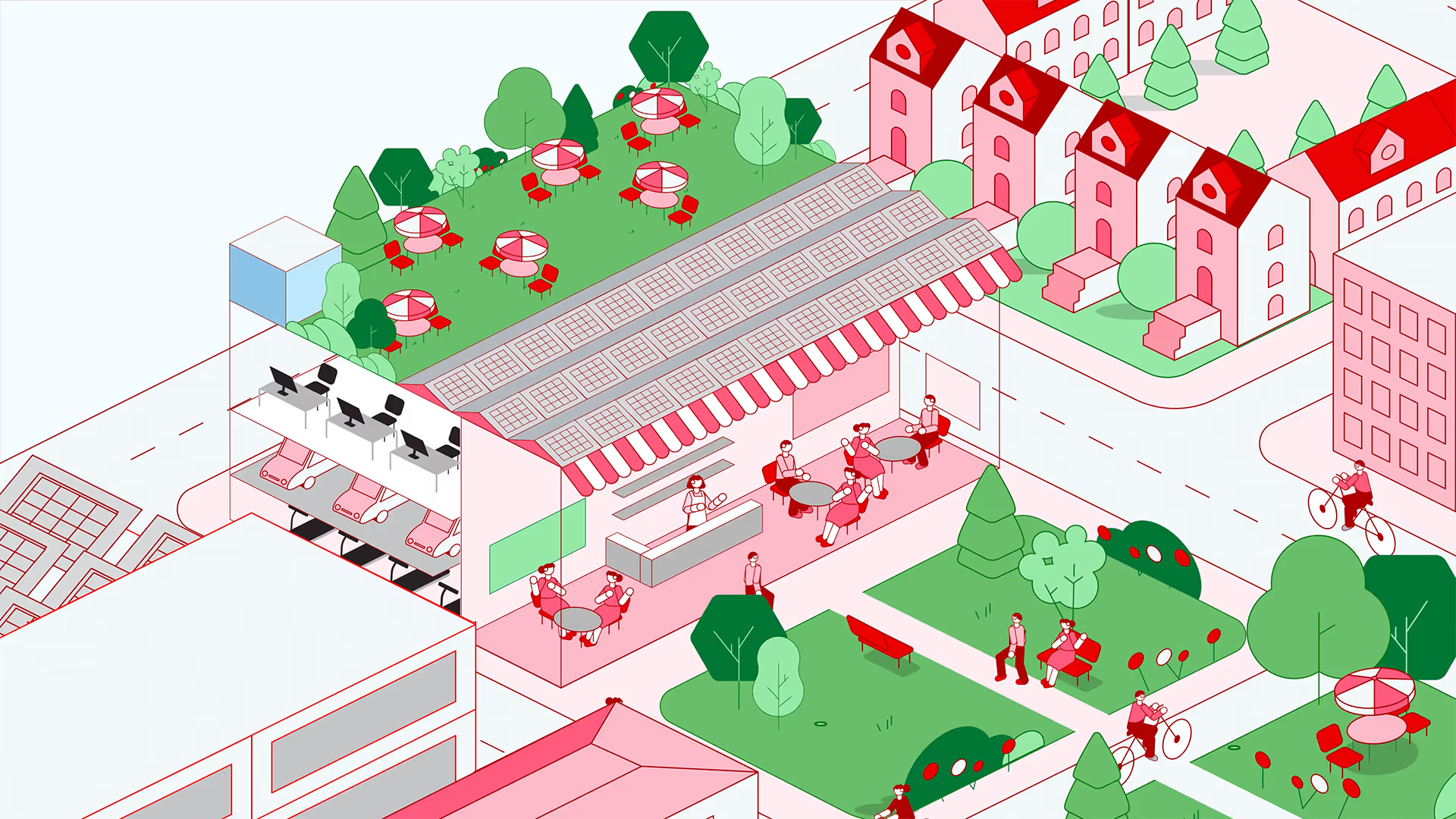
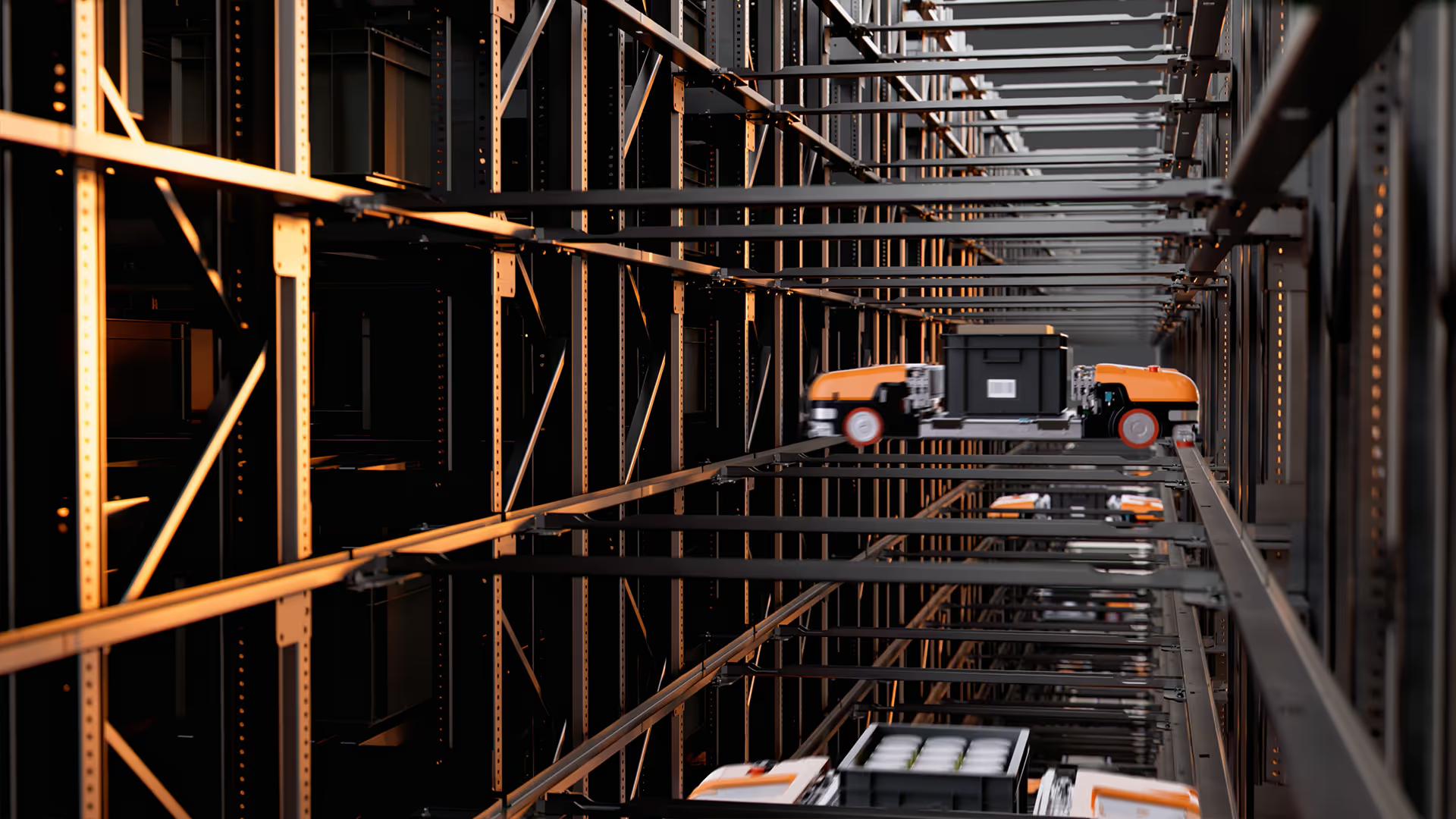
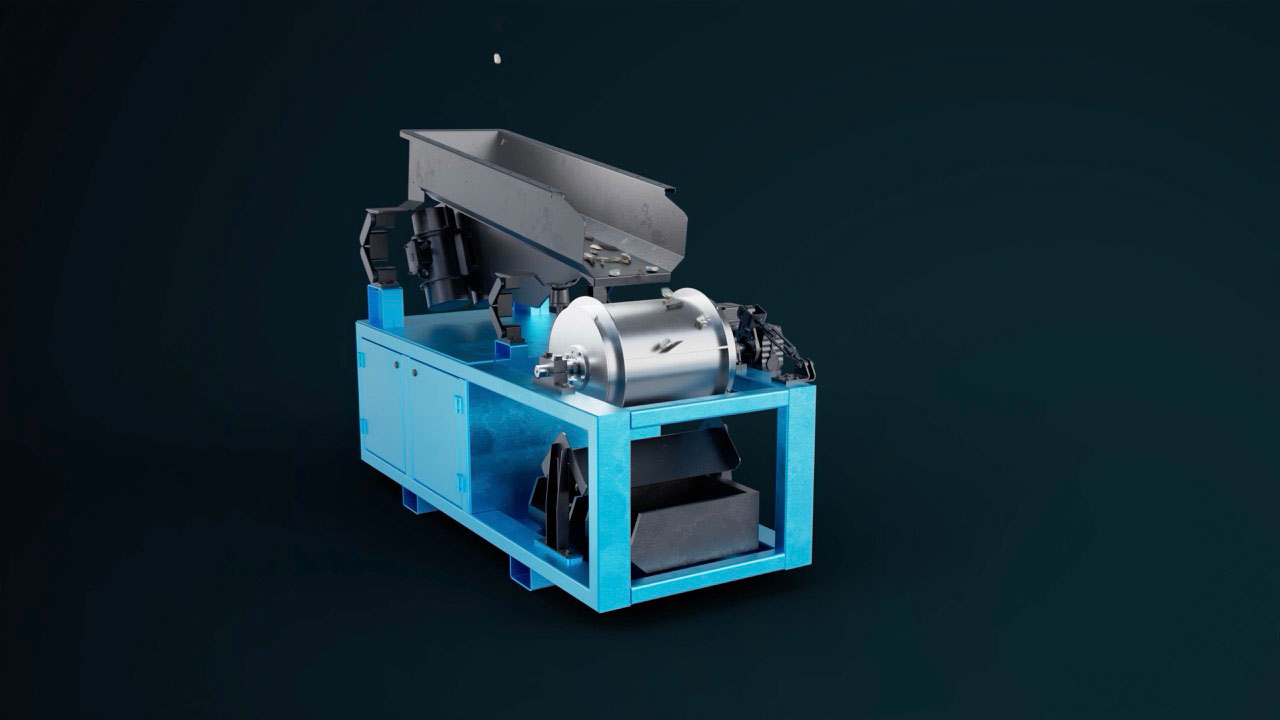
See how a recognizable style carries through in illustration, infographic, animation, and 3D. Filter by shape.




When is visual language development interesting?
A unique visual language is particularly valuable when you regularly develop visual content or want to communicate different stories using a single, recognizable style.
For example, when:
You don't need to completely redevelop your brand identity for this. We can build upon an existing corporate identity and translate it into your own visual language for your visual content.
Our working method: from initial idea to recognizable visual language
At Animation Agency we don't start by drawing a style. We start by understanding what you want to tell and who you want to reach.
Understanding your brand, message, and target audience
We review your existing corporate identity, communication materials, and visual examples. What is already working well? Where is there a lack of cohesion? And what look suits your organization and target audience?
We also map out where you want to use the visual language. After all, an illustration series requires different design choices than a combination of infographics, animations, and 3D visualizations.
Develop a visual direction
Based on those insights, we develop a visual concept. We explore how form, color, composition, illustration, and potentially movement can combine to create a recognizable style.
With concrete style examples, we make the direction visible, so that you can judge not only what the visual language looks like, but also how it supports your message.
Developing and defining the visual language
After determining the direction, we further develop the style. We establish the key design principles and demonstrate how the visual language works in practice using example applications.
Depending on the project, this may consist of style agreements, illustration elements, graphic building blocks, and guidelines for animation or 3D.
Applying visual language
Visual language only gains true value when you use it.
Therefore, we can immediately translate the developed style into concrete communication tools. Think of an initial infographic, a series of illustrations, an explainer animation, or visual content for a product launch.
This way, it doesn't remain just a nice style proposal, but creates a visual foundation you can build upon.
What are the benefits of visual language development ?
The exact delivery depends on the scope of the project and the applications you require.
A program may consist of:
We agree in advance on which components are needed. Sometimes a compact visual style with a few example applications is sufficient. In other cases, a more extensive style system is appropriate.
Developing visual language at Animation Agency
We view visual language from the perspective of visual communication. Not only from how something looks, but especially from what the image needs to convey.
With our experience in animation, illustration, infographics, and 3D visualization, we can develop a visual style and apply it to various types of content.
That is important. A style that works well in a static illustration is not automatically suitable for animation. And an attractive 3D visualization sometimes requires different design choices than a clear infographic.
By taking the desired applications into account from the start, we develop a visual language that is not only recognizable but also remains practically usable.
From one strong visual concept to a complete series of recognizable communication tools.
How much does it cost to have a visual language developed?
The costs of visual language development depend on the desired scope and complexity.
Do you only want to have a new illustration style developed? Or are you looking for a complete visual direction that also works for animations, infographics, and 3D visualizations?
The number of style samples, the required elaboration, and whether we produce direct communication materials also influence the investment.
Therefore, we first discuss your goals and the desired applications. Next, we propose a suitable approach and price indication.
Frequently asked questions about developing visual language

A corporate identity comprises the visual foundation of your brand, such as the logo, brand colors, and typography. Visual language concerns the way you visually shape information and stories. Think of illustration style, composition, graphic elements, and movement. Ideally, a visual language aligns with your existing corporate identity.
The terms are often used interchangeably. Form language primarily refers to the visual properties of a design, such as shapes, lines, proportions, and composition. Visual language is broader and also encompasses the way in which those visual elements convey a message together.
Yes. An existing corporate identity is often a good starting point. We use the brand identity as a basis and develop a recognizable style from it for illustrations, infographics, animations, or other visualizations.
Yes. Animation Agency combines visual language development with the production of visual content. As a result, we can also use the developed style for illustrations, infographics, 2D animations, and 3D visualizations, among other things.
That depends on the scope. A compact illustration style with a few examples requires less development than an extensive visual system for multiple applications. During the preparation phase, we coordinate the steps, feedback points, and schedule.
No. You can start by developing the visual style and a few sample applications. After that, the visual language can be used for future productions. We think ahead about which elements are important to apply the style consistently later on.