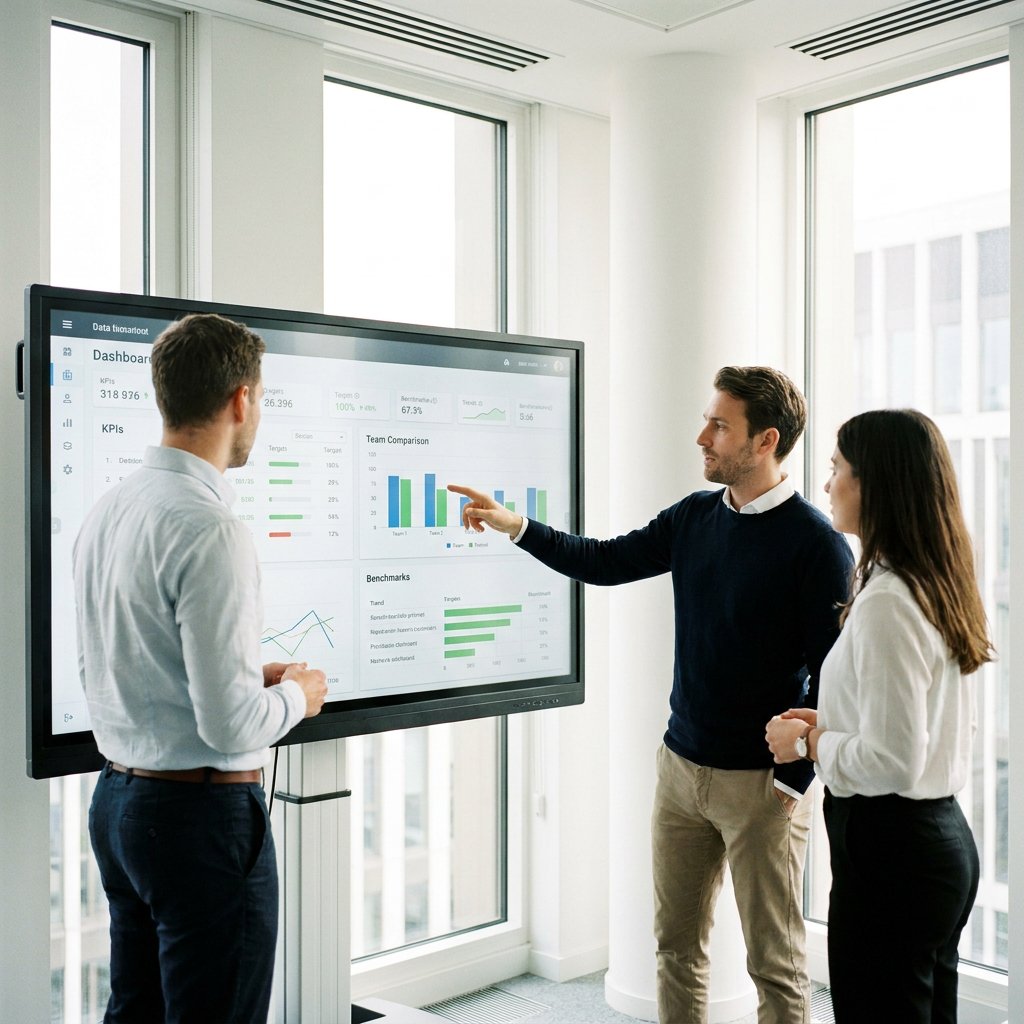
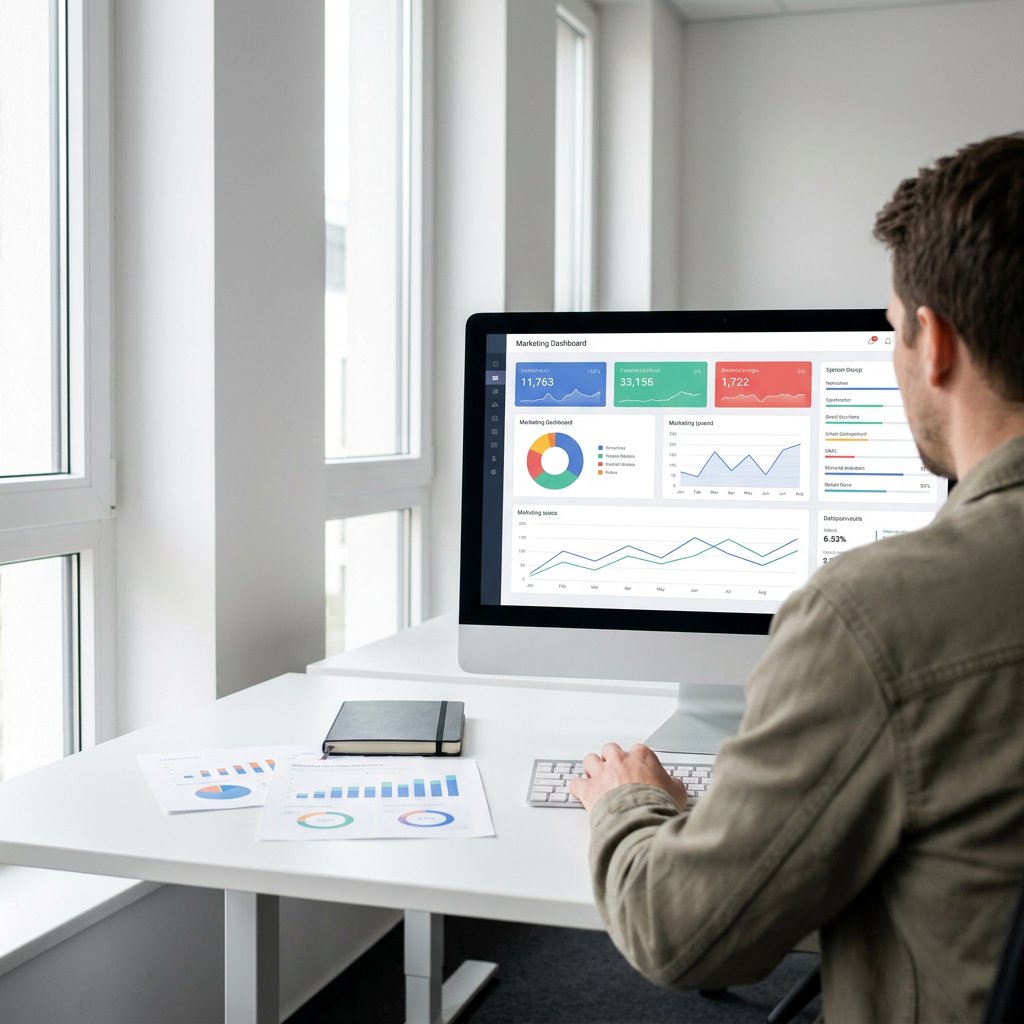
3D animation is the digital bringing of objects, environments, and characters to life with depth. Unlike 2D, it displays volume, materials, and realistic movements, allowing you to visualize processes and products hyperrealistically. It is ideal for making invisible or complex technology understandable, launching new products, and quickly testing variants. For companies in engineering, manufacturing, and industry, 3D animation is a powerful way to combine clarity and impact.
A 3D animation is created in steps. First, 3D models of parts or environments are built (modeling). Next, they are given materials and textures, and the scene is set up with lighting and cameras. Moving parts are given a rig—a digital skeleton—or follow simulations for realistic dynamics, such as fluids or physics. Next, keyframes are set to determine timing and movement. After animation, everything is rendered into individual frames (3D rendering), which are merged in post-production with color correction, graphics, titles, and audio. The result: clear, consistent visuals that you can easily adjust or reuse.
Do you want to dive deeper into the processes, techniques, and workflow? Read 3D animation in detail.
3D animation is particularly suitable when you want to show something that is difficult to film, does not yet exist, or needs to be explained step by step. Think of:
visualized Animation Agency Vanderlande's FASTPICK system to clarify its operation and components for stakeholders. Also, view examples of 3D animations for inspiration.
Would you like to know more about the added value in a product context? Read about the benefits of 3D animations for product visualizations.
2D animation is flat, illustrative, and often faster to produce. 3D animation is spatial, technically convincing, and ideal for products and processes where realism matters. Choose 2D for abstract concepts and budget efficiency. Choose 3D for detail, depth, and credibility—for example, in machinery, logistics, and industrial innovation. Want the full picture? Read the difference between 2D and 3D animation.
| Aspect | 2D animation | 3D animation |
|---|---|---|
| Depth and realism | Flat, style-driven | Volumetric, photorealistic possible |
| Complex technology | Limited in cross-sections and rotations | Exploded views, 360 degrees, simulations |
| Costs and speed | Often cheaper and faster | Higher investment, longer process |
The price of a 3D animation depends on duration, complexity, level of detail, number of unique models, simulations, resolution, voice-over, and revision rounds. Whether variants are required for social media, trade show screens, or international languages also matters. Expect a turnaround time of several weeks for briefing, script, storyboard, modeling, animation, rendering, and post-production. Because 3D assets are reusable, you reduce production and shooting costs in the long run and accelerate content creation.
Make complex information clear, understandable, and convincing

Is your question not listed? Feel free to ask.
Ask your questionBy building models, lighting them, animating them with keyframes or simulations, and rendering images. This is followed by post-production with audio and graphics.
An animation with depth, in which objects and scenes are rendered in three dimensions for realistic movement and perspective.
2D is flat and illustrative, 3D is spatial and more realistic. 3D is suitable for technical details and product visualization.
2D animation, 3D/CGI animation, stop-motion, and motion graphics. Each form has its own style, turnaround time, and applications.
Do you want to have a 3D animation made that explains complex technology with crystal clarity? Animation Agency helps you from concept to render – from Eindhoven and Amsterdam.

Whether it concerns an ambition, product, process, technology, or idea: we make visible what makes it special and translate it into imagery that is clear, convincing, and impossible to ignore.