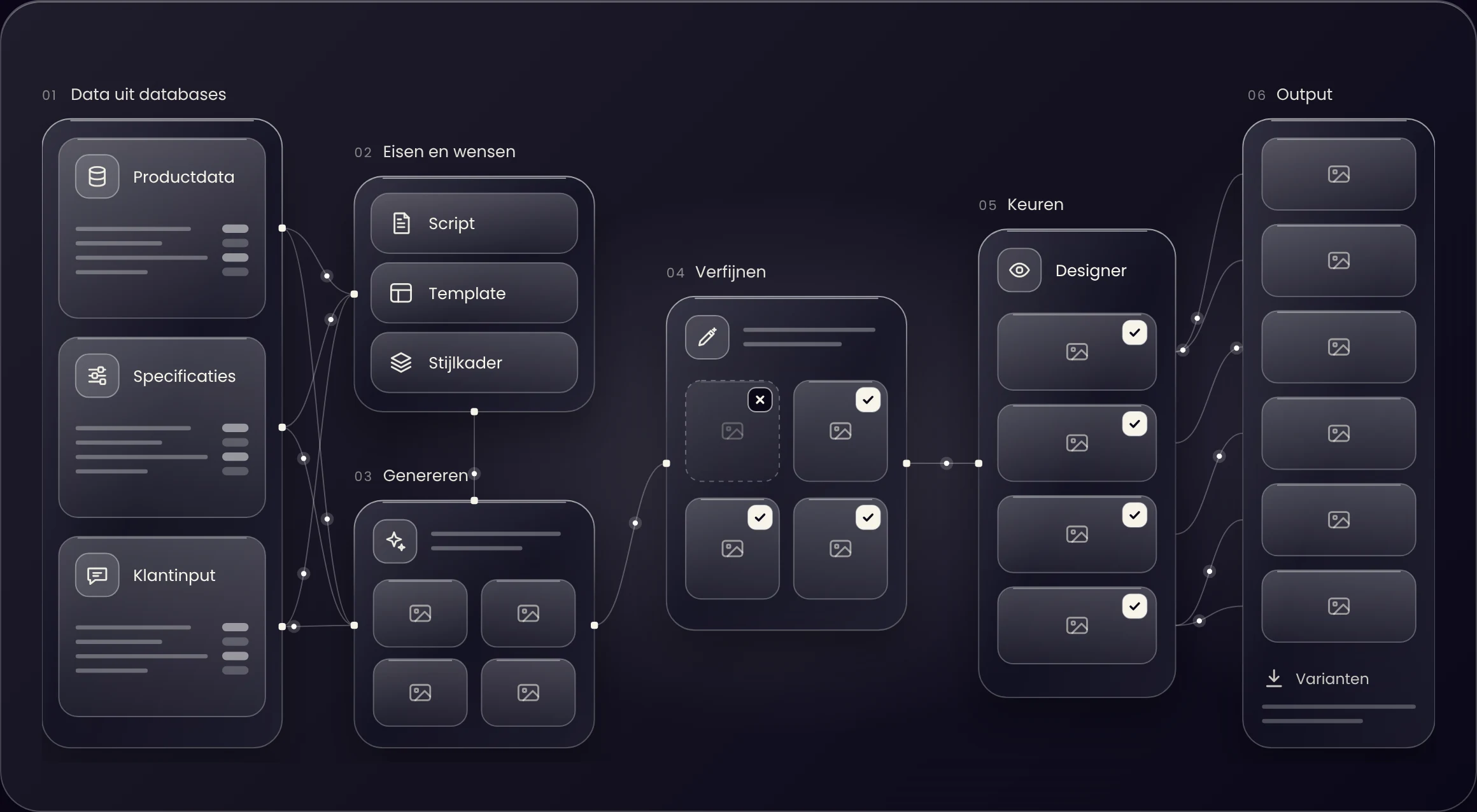
For a supplier of outdoor tents, we investigated whether personalized quotation visualizations could be produced via an automated system. Up until then, every quotation required its own visualization production: photos of the location, the desired layout, a render, and a round of revisions. That works, but it does not scale with the number of requests. The question was whether a Visual Automation System could take this over without compromising on realism and technical accuracy.
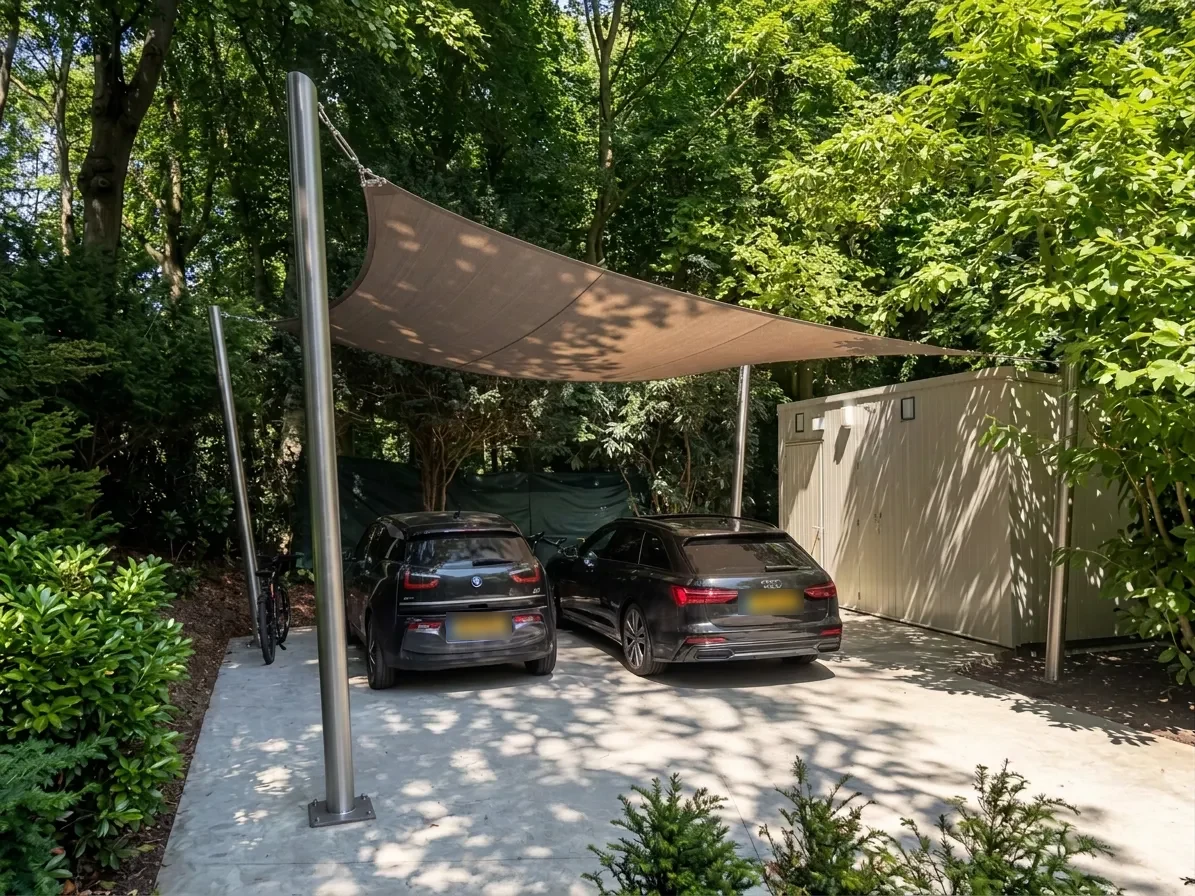

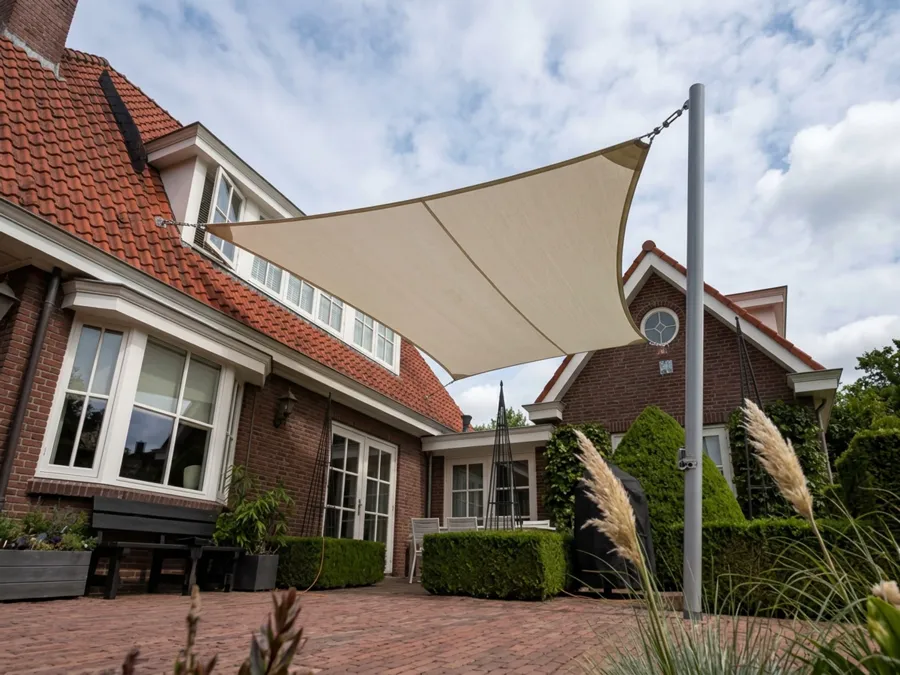
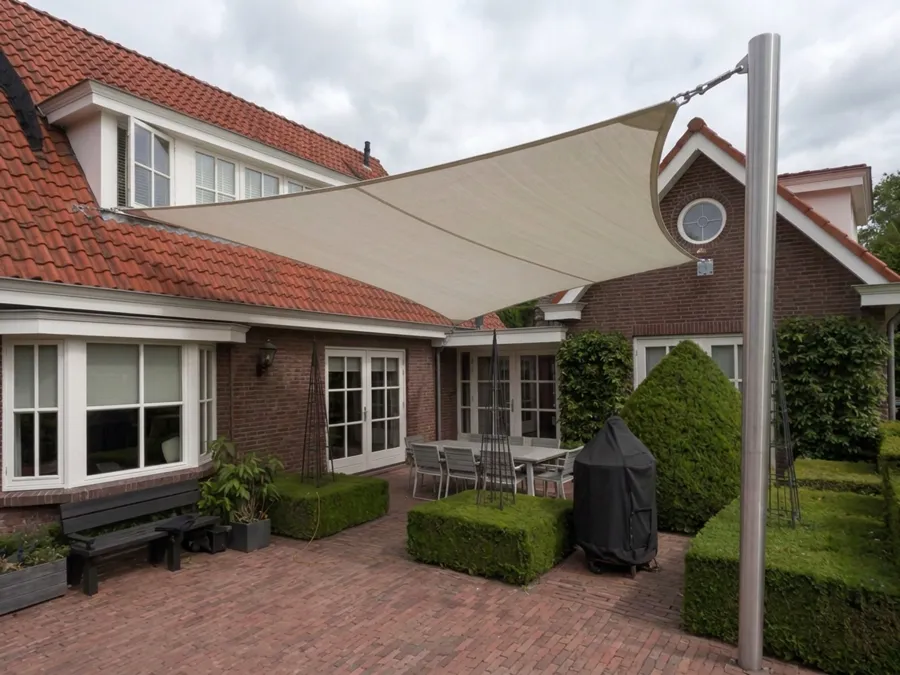
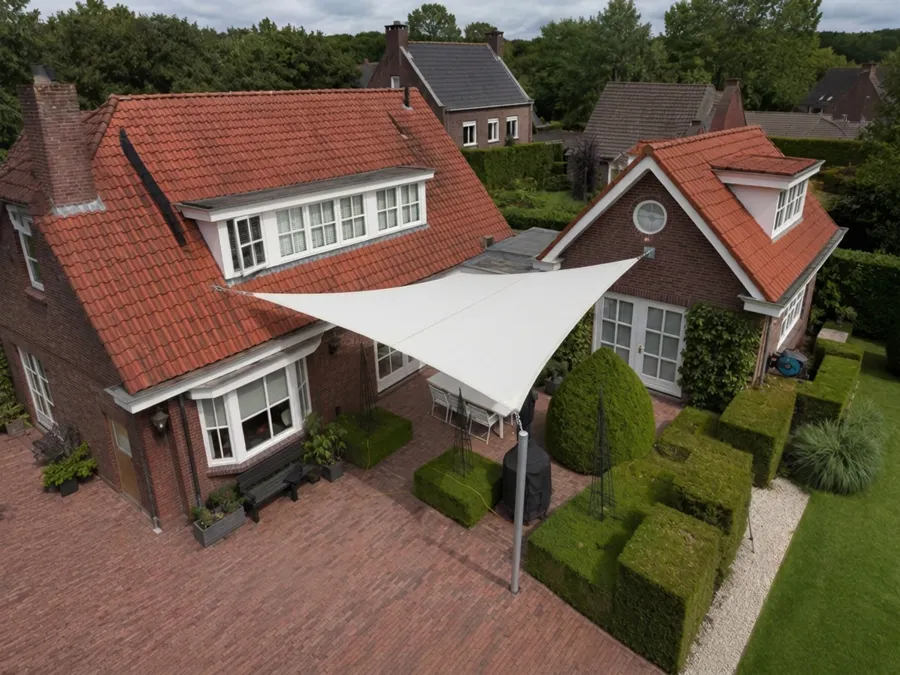
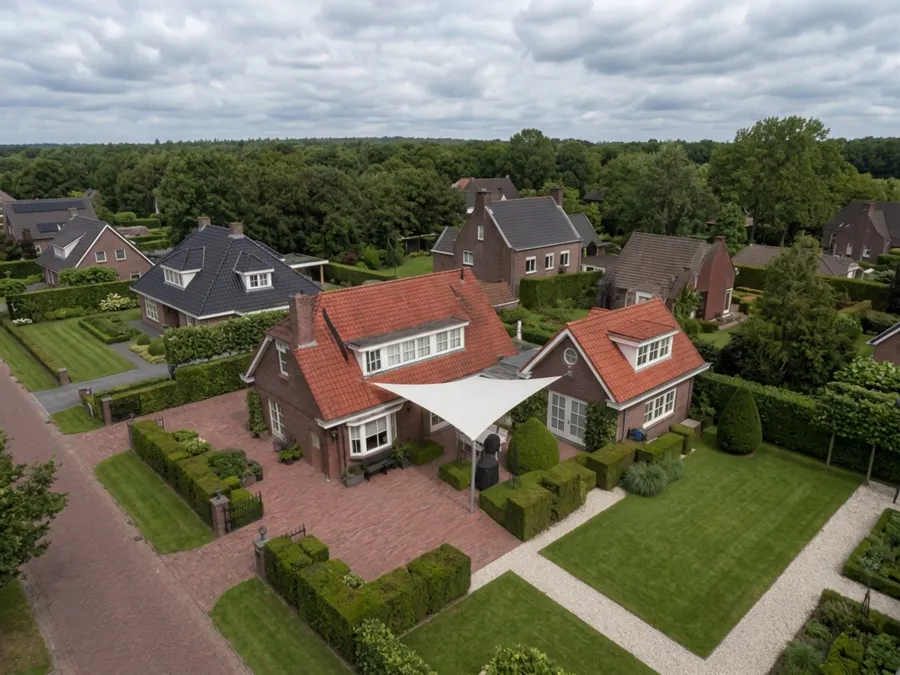
Multiple camera views
An image is only processed after approval
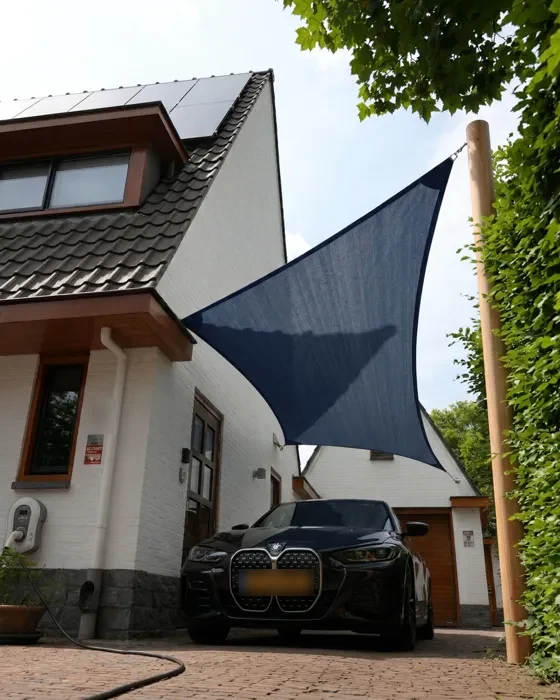
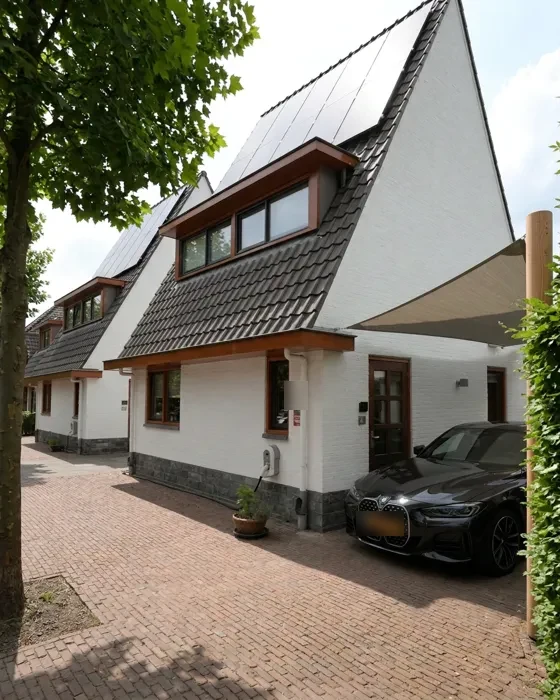
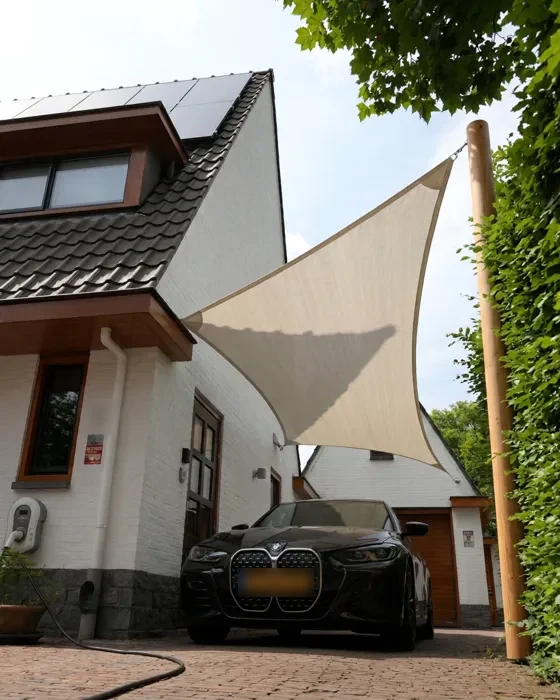
Agreed color variants
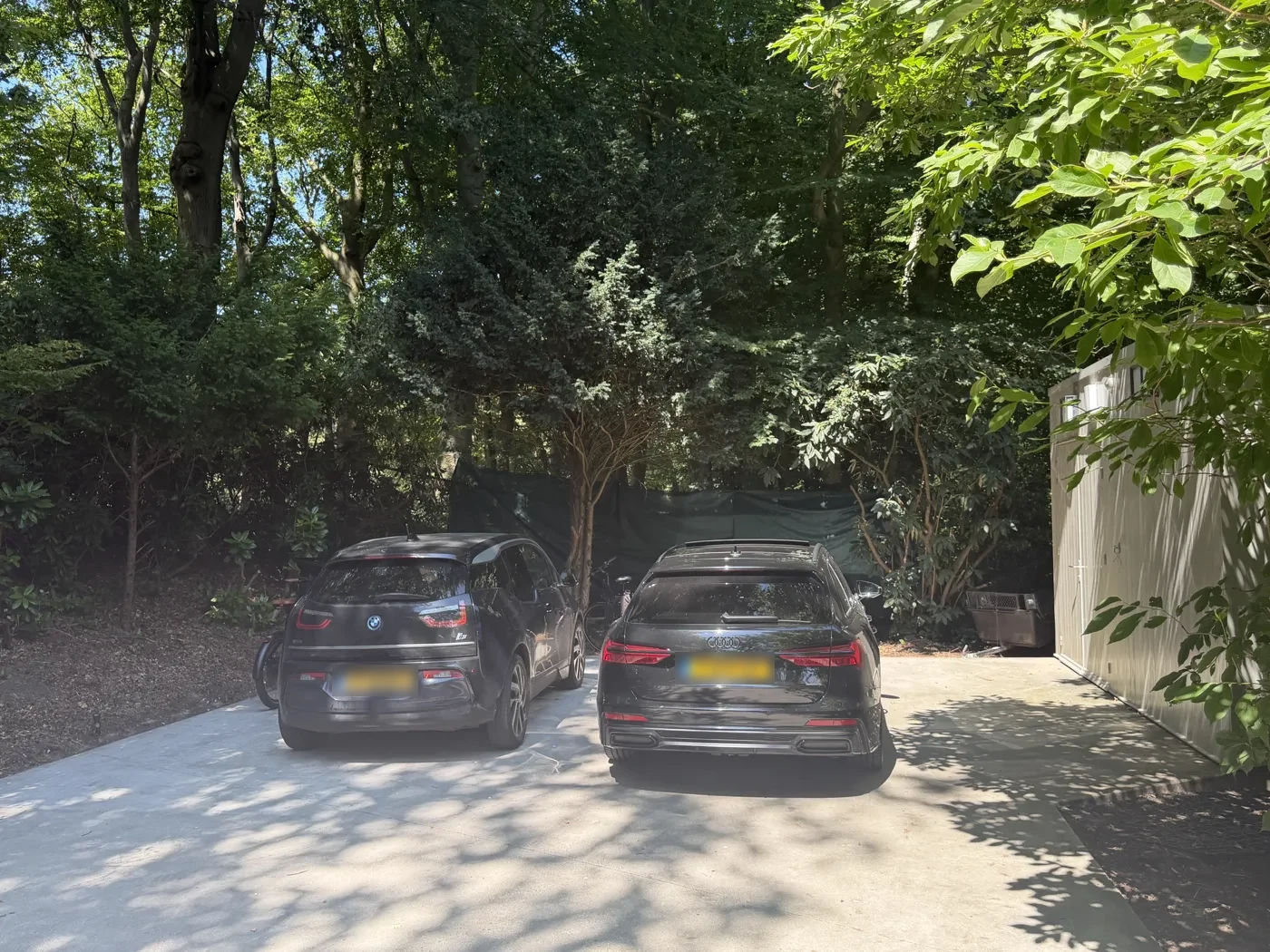
Because this involves bulk requests, the system starts not with generation but with input. We established rules for the reference photos of the location: the same lighting, the same angle, and the same camera position. The more consistent the input, the more reliable the output, and the less correction is required afterwards.
Those photos, along with the product data, are fed into the system. It reads the specifications of the desired tent: color, dimensions, how the canvas is folded, and whether the setup includes wall brackets or poles. Based on this, it creates a first generation of the tent at the actual location, after which multiple camera views of that same setup are added.
Next comes the quality control, which is not an afterthought but a standard step. Our designers assess every image on two points: does the location remain recognizable, and is the product technically correct? A tent must stand credibly on the site, a guy line must run exactly as it does in reality, and the stitching must be in the right place, because that is how the customer recognizes their own product. Anything incorrect is corrected, and the insights are fed back into the basic workflow. Once the image is approved, it is automatically delivered. The standard scope per request: one setup, one location, a maximum of four perspectives, agreed-upon color variations, and one bundled correction round.
The result is a working system that generates multiple personalized visualizations based on location input, in a fraction of the time of manual production. Various test cases in diverse locations and lighting conditions demonstrated that the approach works. They also made clear where the limit lies: the more the image deviates from the original environment, the less convincing it is as a representation of the proposed situation. That is precisely why human curation is part of every Visual Automation System we build. AI does the heavy lifting; control over the final result remains with us and the client.
Whether it concerns quotation images, product renders, or campaign assets: if the same type of images are produced repeatedly, there is profit to be gained. On our Visual Automation , you can read how such a system works. Schedule a no-obligation consultation, and together we will look at what can be automated in your production.

Whether it concerns an ambition, product, process, technology, or idea: we make visible what makes it special and translate it into imagery that is clear, convincing, and impossible to ignore.