Animation in 2026 revolves around smarter production with AI, a rich experience in the browser window, and conscious choices regarding accessibility and performance. Brands are focusing on micro-animations that guide and reassure, interactive experiences that encourage participation, and style trends with character—from organic shapes to handcrafted textures. In this overview, you will find concrete guidelines, examples, and cost impact so you can quickly determine what works for your brand. For context on these predictions, you can also consult the 2025 animation trends retrospective
Websites are shifting from a flat page to an experiential space. With WebGL and WebGPU, you see 3D animation, rotating product images, and scroll-telling that brings stories to life. This immersive approach only works if performance and focus remain the guiding principles: animation reinforces the user's task rather than distracting.
Result: higher engagement and better task completion. Measure this with scroll depth, click-through rates on key CTAs, and time to first interaction. Micro-animations require little effort but have a big conversion impact—and form the glue between content, interaction, and brand experience. You can find more practical tips for short-form and platform-first creation in animations for social media ads.
In 2026, AI acts as a co-animator that takes over repetitive work and accelerates creative variations. Think of automatic lip-sync, motion cleanup of mockups, smart tweening, style transfer, and frame interpolation. In pre-production, AI helps with storyboard variations, color scripts, voiceovers, and script assistance. In post-production, AI accelerates denoise, rotoscoping, and color correction.
Do you want to know how this impacts marketing and positioning? Read about the future of corporate animations.
Make complex information clear, understandable, and convincing
Interaction transforms viewers into participants. Product configurators, interactive infographics, and onboarding wizards with micro-animations increase understanding and engagement. For education and B2B, scenario animations with choices are effective—you see the impact of decisions immediately. Keep the bar low: start with one core flow and expand based on data. Provide alternatives for keyboards, screen readers, and monitor performance, as interactive layers can quickly become heavy.
Brands are opting for minimalism with character. Organic shapes and fluid sections provide humanity and flow, while retrofuturism adds playfulness with references to the 80s and 00s. Handmade textures—from a risograph look to pencil lines—ensure authenticity in an AI era. Bright, popping color palettes stand out, but pay attention to contrast and balance. Hybrid 2D-3D techniques continue to grow: 2D characters in 3D worlds or 3D products with 2D overlay titles for speed and impact. Want to better understand the differences and combinations? See 2D vs 3D animation . Motion graphics also remains a widely used style for fast, expressive communication.
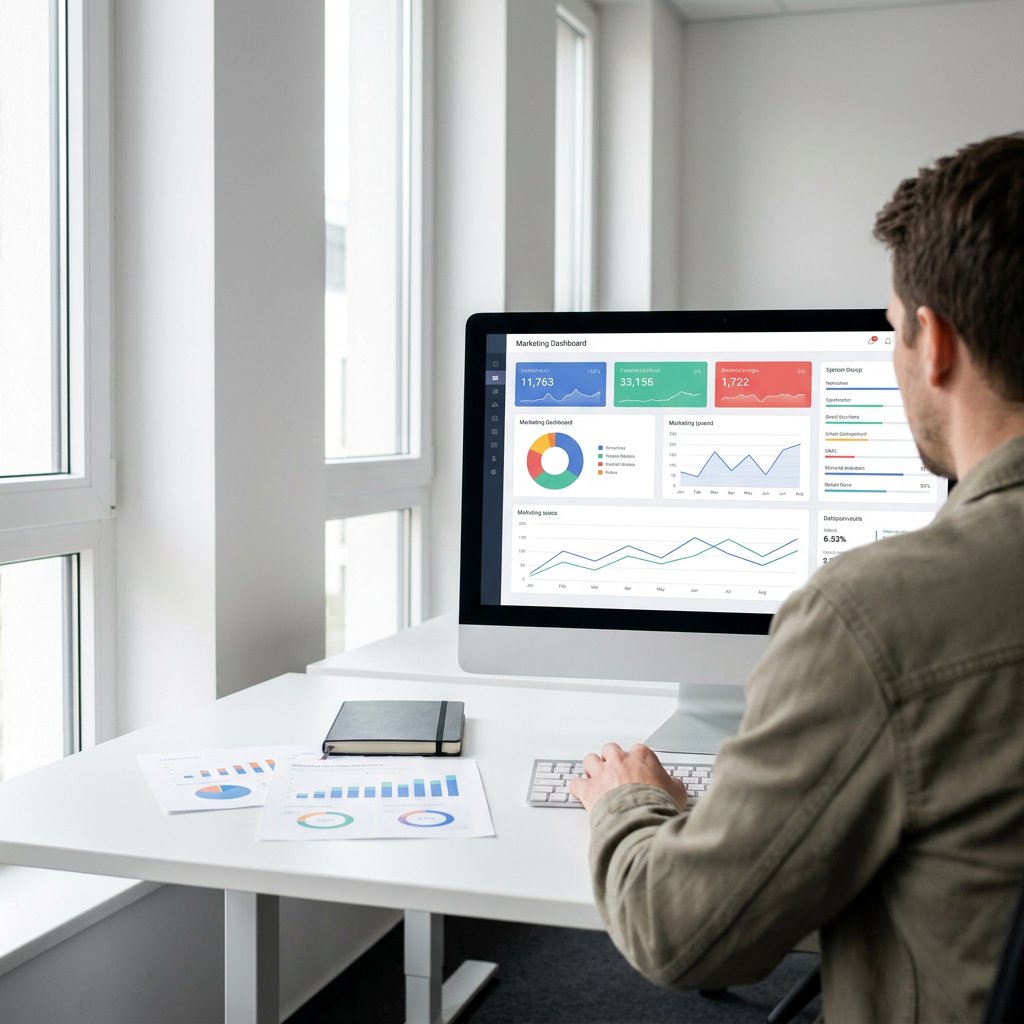
Numbers become stories when you use motion to show structure and meaning. Introduce trends with progressive reveal, use motion to shift attention between KPIs, and build context with annotations. Interactive maps and real-time animations work well for reports and dashboards. Ensure a clear hierarchy, consistent easing, and limited simultaneous movement so that your message stays in the foreground and cognitive load remains low.

Is your question not listed? Feel free to ask.
Ask your questionFor B2B, clear 2D explainer animations and 3D product visualizations perform best. 2D quickly tells the 'why,' while 3D proves the 'how' with realistic views. Hybrid 2D-3D combines speed and a premium feel. Choose a style based on your buyer journey: awareness requires simplicity, while consideration requires detail.
No. AI accelerates phases such as lip-sync, rotoscoping, and variation generation, but concept, art direction, and brand consistency require human direction. Think of AI as an accelerator—not a replacement. Teams that use AI smartly deliver more variants faster without losing creative quality.
Micro-animations are small movements that provide feedback and focus, such as hover states and loading indicators. Interactive animations require active input—configurators, tools, or scroll counting with choices. Micro-animations steer behavior subtly, while interaction changes the content based on actions.
Accessibility will be the standard in 2026. Respect preferred reduced motion, offer switches for animation intensity, and avoid triggers such as aggressive parallax or flashing effects. Make animations predictable and goal-oriented—one message per animation. Think neuro-inclusive: clear focus states, consistent timing, sufficient contrast, and understandable transitions reduce cognitive load. If you work internationally, consider an animated video in multiple languages to effectively serve local target audiences.
Costs depend on style, length, detail, revision rounds, and interaction. AI can accelerate repetitive tasks, but human direction remains necessary for quality and brand consistency. The indications below help weigh your options. Unsure about the technology? Consult our overview of animation techniques.
| Technology | Impact on budget | Lead time | Remark |
|---|---|---|---|
| 2D explainer animation | Low-mid | Fast medium | Cost-efficient, good for storytelling and education |
| 3D product animation | Mid-high | Resourse | High persuasiveness for features and variants |
| Hybrid 2D-3D | Middle | Resourse | Good balance between speed and premium appearance |
| Interaction/immersive web | +40-60% compared to static animation | Medium-high | Additional development and performance optimization |
| Minimalist style | -20-30% compared to high levels of detail | Fast | Faster to produce and good for performance |
| AI-assist in workflow | -10-25% on repetitive tasks | Fast | Human art direction remains essential |
Would you like to brainstorm about a 2D or 3D animation, product visualization, or explainer animation that fits your budget and timing? Our team is happy to help.

Whether it concerns an ambition, product, process, technology, or idea: we make visible what makes it special and translate it into imagery that is clear, convincing, and impossible to ignore.