A 3D rendering is a photorealistic visual of a design that does not yet exist. You use it to convince stakeholders, accelerate sales, or substantiate internal decisions. In this guide, you will discover what a 3D rendering is, how to have a convincing image created, approximately how much it costs, and when 3D animation is a better alternative. Want to get started right away? Have a 3D visualization made.
A 3D impression is a still image that realistically depicts material, light, and atmosphere. Unlike technical drawings, it immediately captures the imagination, leading to faster decision-making and reduced misunderstandings. Whether presenting real estate, interior design, product design, or a technical concept, a strong impression translates complexity into understandable visuals that evoke emotions and inspire confidence. Also read: What is 3D visualization?
Realistic lighting determines credibility. Natural sun positions, soft shadows, reflections, and subtle atmospheric effects add depth. Think of warm morning light or diffused light on cloudy days to create the desired atmosphere.
Materialization goes beyond a coat of paint. Wood with grain, concrete with minor imperfections, and metal with gradations of gloss create authenticity. The right roughness and angle of reflection make the difference between “CGI” and convincing realism.
A believable environment tells the story. Furniture, plants, people, or traffic place your design in the real world. Pay attention to scale, sightlines, and styling that appeals to the target audience without distracting from the main subject. Read more about this in Interior visualization: explanation and applications.
Viewpoint, framing, and depth of field direct attention. A low camera angle can give a building power, while a close-up emphasizes the experience of the materials. Clear focal points prevent the viewer from wandering. For architectural cases: Architectural visualization: what is it?
Choose a 3D impression if you need impactful visuals quickly for sales, pitches, or campaign assets. You get high-resolution images that you can use flexibly in print and online. Choose 3D animation if movement or functionality is essential, for example, for product demonstrations, process explanations, or virtual tours. Animation shows transitions, sequences, and use in context, making it ideal for marketing and sales funnels.
Animation Agency specializes in 3D animation. If you need stills, we often provide 3D renderings derived from the animation model, ensuring you receive both images and video in a single consistent style. Are you working on new construction or area development? Check out Real Estate visualization for project developers.
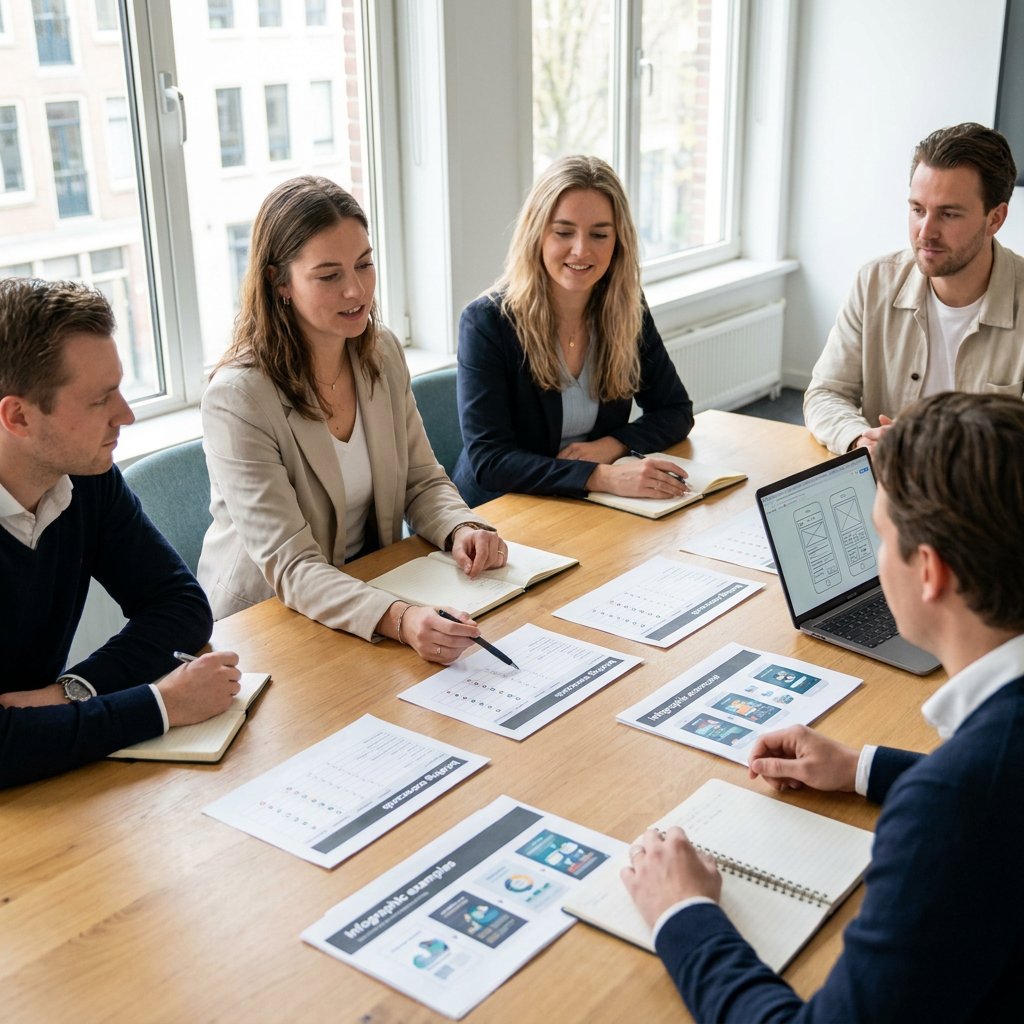
A smooth production starts with a clear briefing: goal, target audience, desired atmosphere, and usage occasions. Provide construction drawings or CAD files (e.g., DWG, RVT, SKP, STEP, or OBJ), reference photos, material and color samples, and any branding guidelines. Based on this, we determine camera positions and style, followed by a quick clay preview for framing and composition.
Based on feedback, we develop materials, lighting, and details into a high-resolution render. Finally, we fine-tune color, contrast, and minor retouches. The result: web- and print-ready files, optionally in various crops for campaigns and advertisements. If you want to move forward with movement later, the same 3D scene is an ideal starting point for 3D animation. View our 3D Visualizations Portfolio for concrete examples.
Make complex information clear, understandable, and convincing
Is your question not listed? Feel free to ask.
Ask your questionThe price depends on complexity, level of detail, number of images, and speed. For simple product shots, expect to pay in the hundreds of euros per image. For complex architecture or custom interiors, this can run into thousands of euros. Bundle discounts per additional image are common.
Artist impression is another term for 3D impression. The costs follow the same factors: complexity, number of images, and deadline. A realistic mood impression with detailed styling takes more time than a sleek, minimalist visual and is therefore more expensive.
You build or import a 3D model, add materials and textures, set up lighting and cameras, and render the image using a render engine. This is followed by color correction and minor retouching. Without experience, collaborating with a specialist is the fastest route to a professional result.

Whether it concerns an ambition, product, process, technology, or idea: we make visible what makes it special and translate it into imagery that is clear, convincing, and impossible to ignore.